
Types of Spas Explained: Day Spa vs Med Spa vs Resort Spa vs Wellness Spa
WAJ Team
October 12, 2026
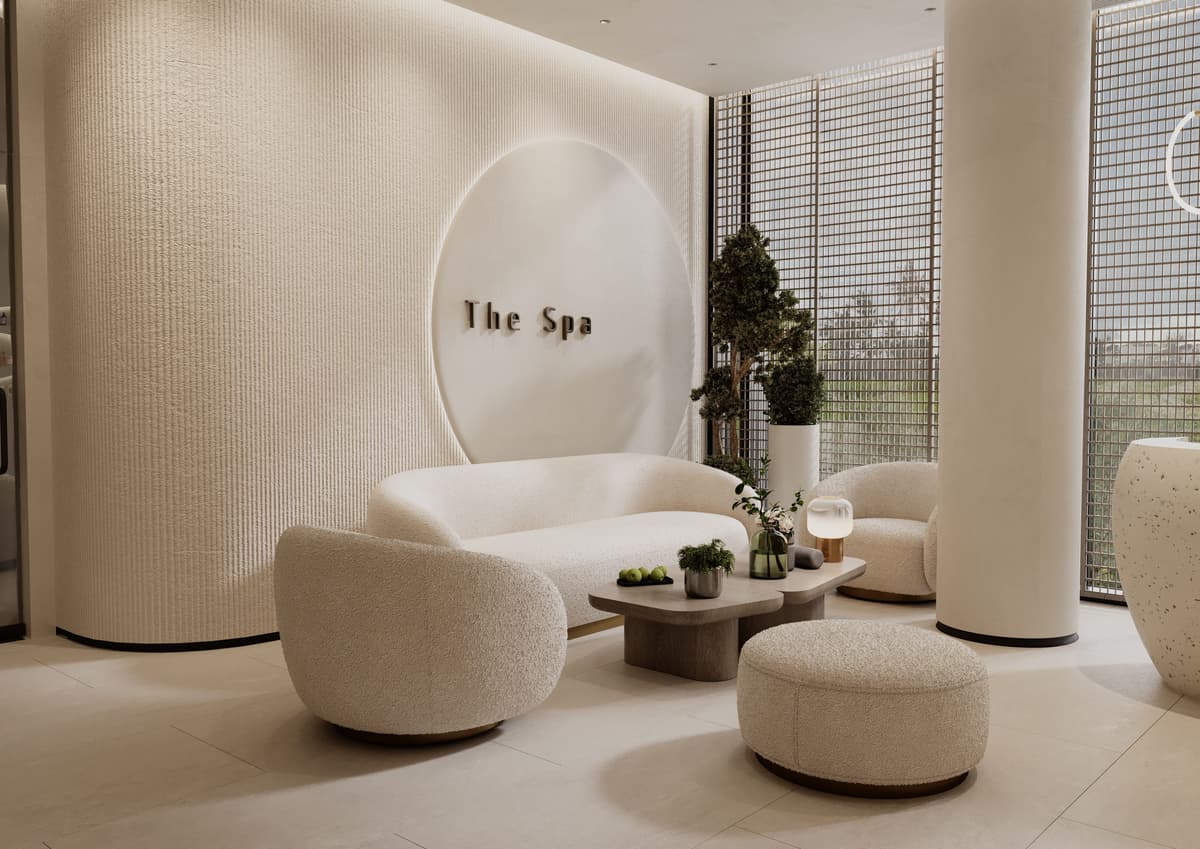
A spa is a business offering treatments that promote relaxation, beauty, and wellbeing; but "spa" covers several distinct types, each with a different focus, setting, and clientele.
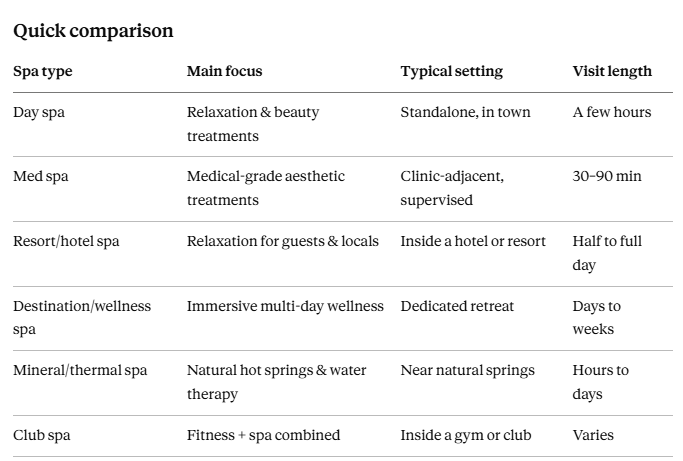
The main types are day spas, medical spas (med spas), resort and hotel spas, destination and wellness spas, mineral/thermal spas, and club spas. Knowing the differences matters whether you're a client choosing where to go or an owner deciding what kind of spa to run. Here's a clear breakdown of each.
Quick comparison
Day spa
A day spa is the most common type a standalone venue offering treatments you enjoy in a single visit of a few hours, with no overnight stay. Services typically include massages, facials, body treatments, manicures and pedicures, and waxing. Day spas focus on relaxation, beauty, and self-care, and serve local, repeat clients. For owners, this is the most accessible spa model to open and the one where bookings, memberships, and retention matter most.
Medical spa (med spa)
A medical spa, or med spa, blends a traditional spa experience with medical-grade aesthetic treatments performed or supervised by licensed medical professionals. Typical services include injectables, laser treatments, chemical peels, and advanced skin therapies. Because med spas operate under medical oversight, they face stricter regulation, licensing, and record-keeping requirements than a standard day spa. They sit at the intersection of beauty and clinic, and attract clients seeking results beyond what a classic spa offers.
Resort and hotel spa
A resort or hotel spa is located inside a hotel or resort and serves both guests and, often, local clients. The focus is relaxation and indulgence as part of a wider leisure experience, with amenities like pools, saunas, and steam rooms alongside treatments. These spas depend heavily on guest flow, package deals, and a premium experience, and are common across the Middle East's hospitality sector.
Destination and wellness spa
A destination spa (often called a wellness spa or retreat) offers an immersive, multi-day experience focused on overall wellbeing — not just a single treatment. Guests stay on site and follow a program that may include spa treatments, fitness, nutrition, mindfulness, and more. The goal is a holistic reset rather than a quick visit, and these are typically premium, experience-led businesses.
Mineral and thermal spa
A mineral or thermal spa is built around natural hot springs or mineral-rich water, used for its therapeutic properties. Clients come for water-based therapies and the health benefits associated with the minerals. These spas are tied to a natural resource and location, and range from simple bathing facilities to full luxury wellness destinations.
Club spa
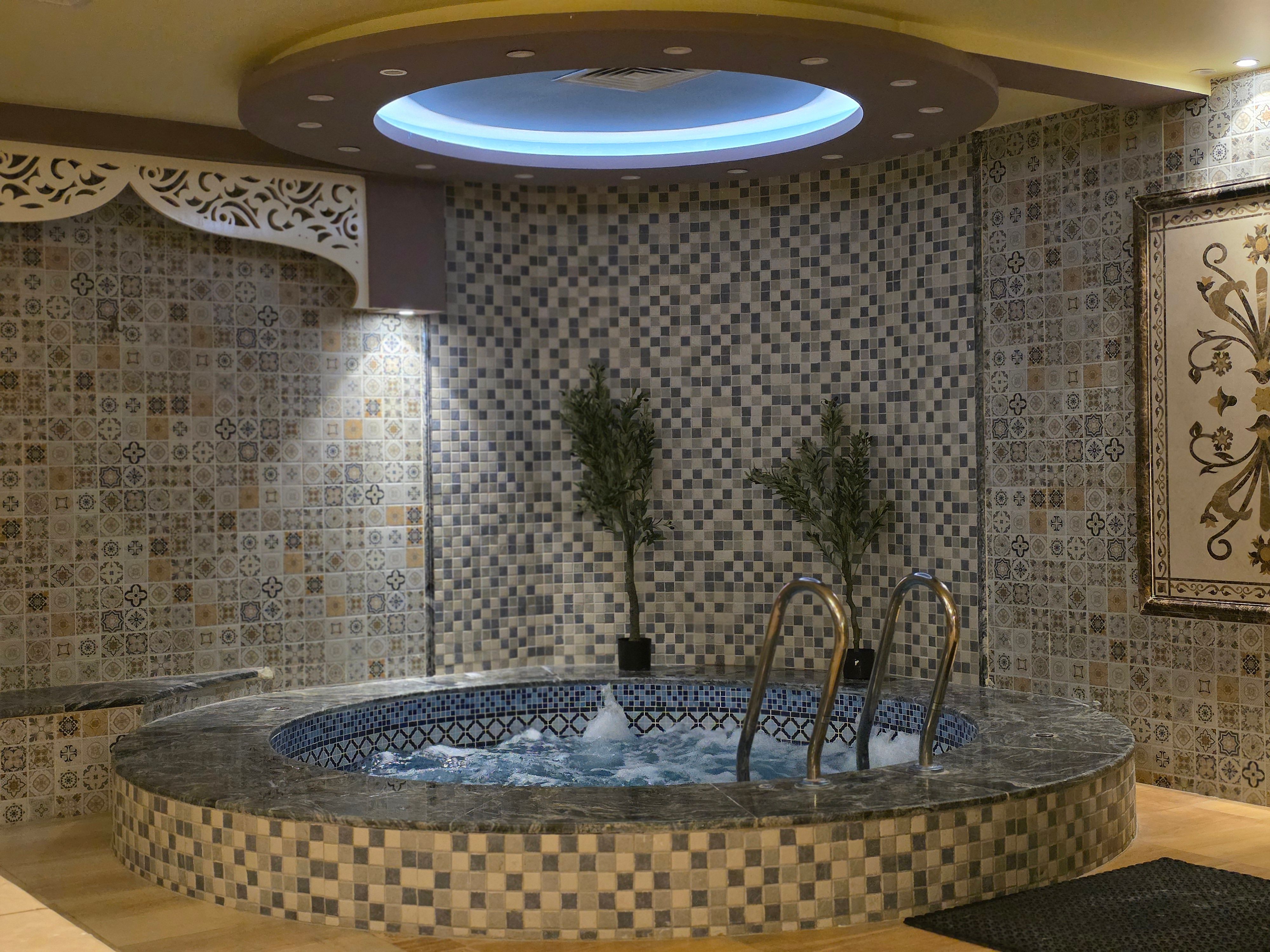
A club spa is attached to a fitness facility or health club, combining exercise with spa services. Members can work out and then enjoy a massage, facial, or sauna in one place. The focus is fitness and wellness together, and the clientele is usually the club's existing members.
Which type is right for you?
If you're a client, choose by what you want: a day spa for relaxation and beauty, a med spa for results-driven aesthetic treatments, a resort spa for indulgence on a trip, or a destination spa for a full wellness reset.
If you're an owner, the type you choose shapes everything your licensing and compliance, your pricing, your clientele, and the systems you need to run it. A day spa or resort spa lives and dies by bookings, packages, staff scheduling, and retention. A med spa adds medical compliance and client records on top. Whatever the model, the operational backbone is the same challenge: filling the calendar, keeping clients coming back, and running the day smoothly.
That's where the right platform helps. WAJ runs the operations behind any spa online booking, automated reminders, packages and memberships, staff scheduling and commissions, inventory, and reporting in one Arabic-first platform, so whatever type of spa you run, the day runs itself. Start free or book a demo.
Frequently asked questions

What are the main types of spas? The main types are day spas, medical spas (med spas), resort/hotel spas, destination/wellness spas, mineral/thermal spas, and club spas. Each differs in focus, setting, and typical visit length.
What is the difference between a day spa and a med spa? A day spa offers relaxation and beauty treatments like massages and facials in a single visit, with no medical oversight. A med spa offers medical-grade aesthetic treatments such as injectables and laser performed or supervised by licensed medical professionals, under stricter regulation.
What is the difference between a spa and a wellness center? A spa typically focuses on treatments for relaxation and beauty, while a wellness center (or destination spa) takes a broader, often multi-day approach to overall wellbeing, including fitness, nutrition, and mindfulness alongside treatments.
What type of spa is most profitable to open? Profitability depends on location, pricing, and management rather than type alone. Day spas are the most accessible to open; med spas can command higher prices but carry higher costs and regulation; resort spas depend on guest flow. In every case, strong booking, retention, and operations drive profit.
What is a resort spa? A resort or hotel spa is a spa located inside a hotel or resort, serving guests and often local clients, offering treatments alongside amenities like pools, saunas, and steam rooms as part of a leisure experience.
Follow WAJ on Google
Add WAJ as a preferred source to see more of our articles in your Google Search results, marked with a "preferred" badge.