
Salon Off-Peak Pricing: How to Fill Quiet Weekday Hours Without Cheapening Your Brand
WAJ Team
May 3, 2026
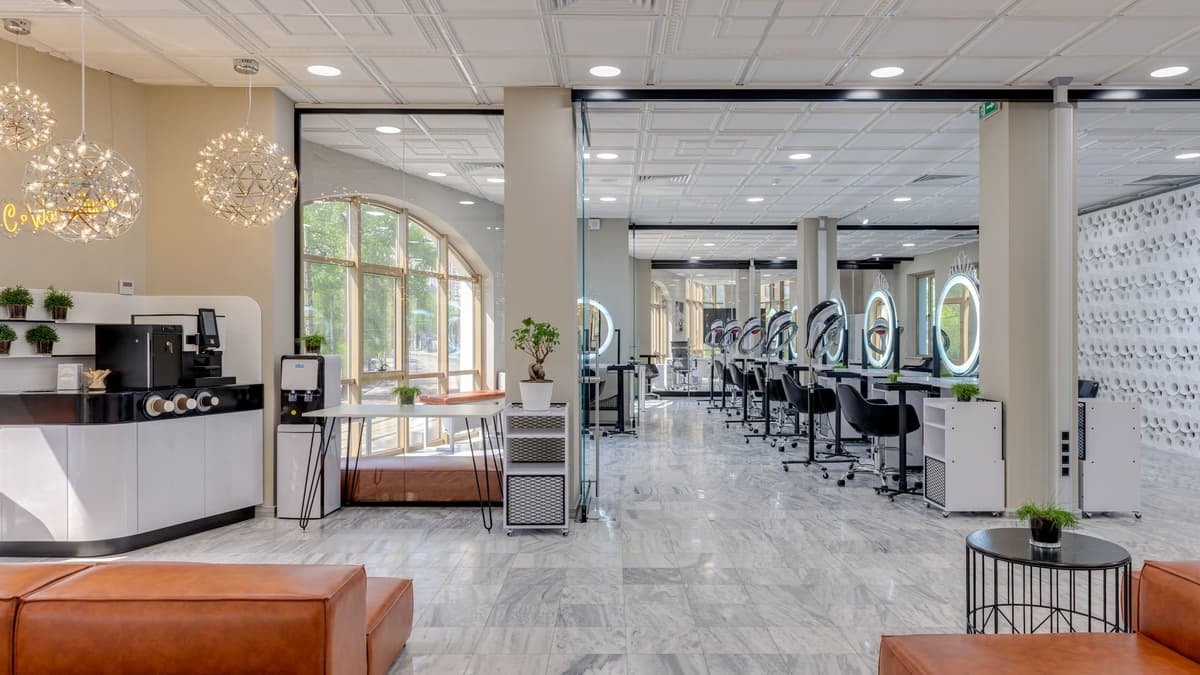
Salon off-peak pricing means offering a lower rate, or more for the same price, on services booked in the hours your data shows are reliably quiet, usually weekday mornings and early afternoons. To protect your brand, keep the offer narrow: specific hours, specific services, clear rules, and preferably a value-add or a junior stylist slot rather than a cut to your senior prices. Done this way, quiet Tuesday mornings bring in money and your Saturday clients still pay full price.
Why quiet hours cost more than you think
Rent, salaries and electricity cost the same at 10 am on a Tuesday as at 6 pm on a Thursday. An empty weekday morning is a cost already paid with nothing to show for it. Most salons in Dubai, Riyadh or Amman have the same week: a crush before the weekend, steady evenings, and long quiet mornings.
The usual response is a "30% off weekdays" post on Instagram. It fills chairs for a month and teaches your best clients that full price is optional.
How to find your quiet hours in your booking data
Don't guess. Owners almost always think the salon is busier than it is in the hours they're present, and quieter in the hours they're not.
- Pull eight normal weeks of bookings. Leave out Ramadan and Eid weeks, because opening hours and demand both shift. With Eid al-Adha expected around 27 May, also expect the days before it to look busier than usual.
- Measure booked hours against available hours for each two-hour block, every day of the week. Count chair time, not just appointments.
- Split by role. Your senior stylists might be full on Wednesday morning while the juniors sit idle. That's a different problem from the whole salon being empty.
- Mark anything under about half booked as quiet, and look for blocks that are quiet week after week. One quiet Monday doesn't mean much.
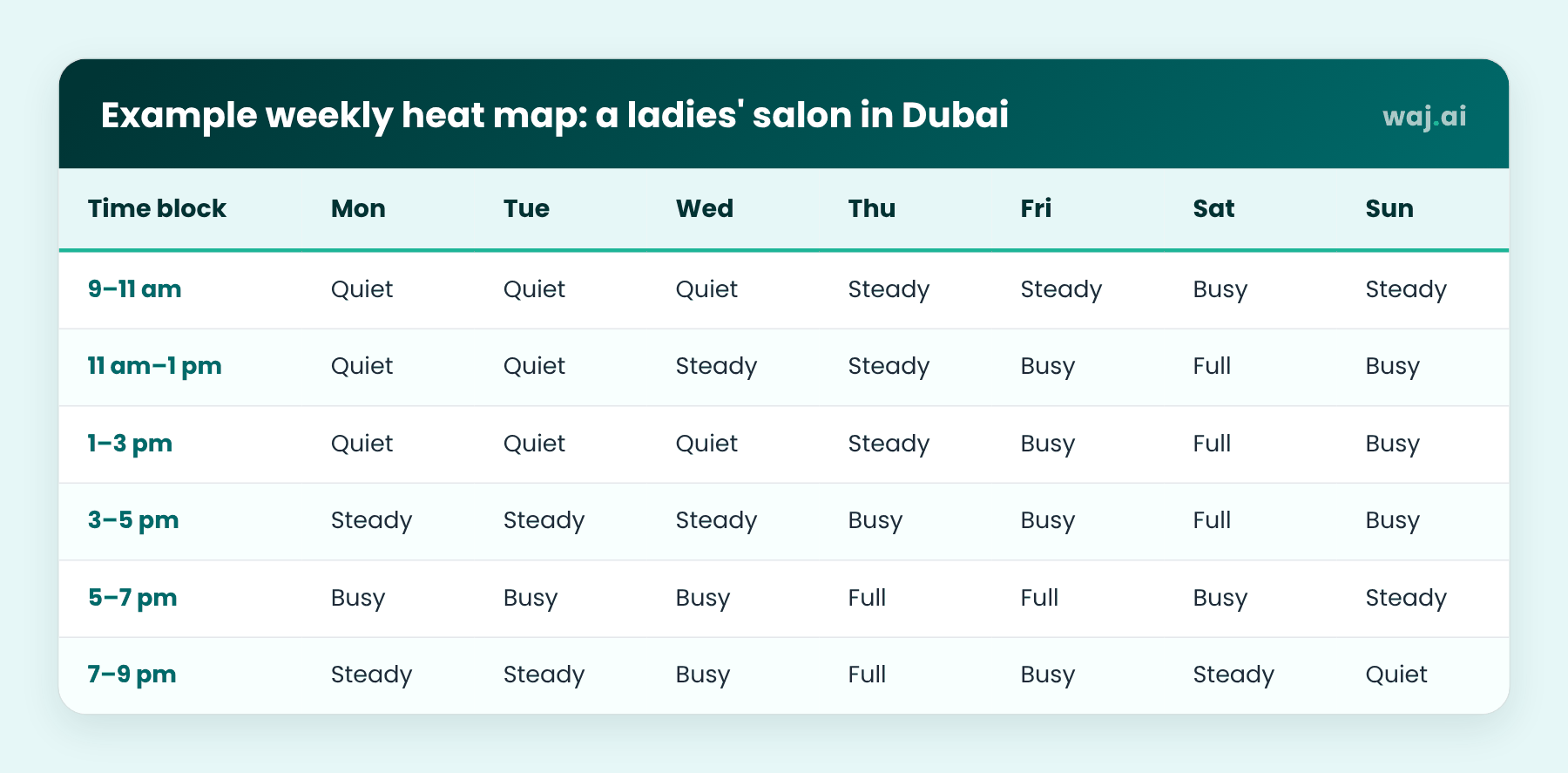
The result is a simple map of your week. Here is an example of what that can look like.
Example weekly heat map: a ladies' salon in Dubai
- 9–11 am
Mon: Quiet
Tue: Quiet
Wed: Quiet
Thu: Steady
Fri: Steady
Sat: Busy
Sun: Steady - 11 am–1 pm
Mon: Quiet
Tue: Quiet
Wed: Steady
Thu: Steady
Fri: Busy
Sat: Full
Sun: Busy - 1–3 pm
Mon: Quiet
Tue: Quiet
Wed: Quiet
Thu: Steady
Fri: Busy
Sat: Full
Sun: Busy - 3–5 pm
Mon: Steady
Tue: Steady
Wed: Steady
Thu: Busy
Fri: Busy
Sat: Full
Sun: Busy - 5–7 pm
Mon: Busy
Tue: Busy
Wed: Busy
Thu: Full
Fri: Full
Sat: Busy
Sun: Steady - 7–9 pm
Mon: Steady
Tue: Steady
Wed: Busy
Thu: Full
Fri: Busy
Sat: Steady
Sun: Quiet
Example only. Your pattern will differ by city, neighbourhood and weekend. In Saudi Arabia, for instance, the weekend falls on Friday and Saturday.
In this example, the off-peak window is obvious: Monday to Wednesday, 9 am to 3 pm. That's where the offer goes, and nowhere else.
Off-peak rates or value-adds: which protects your brand?
You have two main tools, and both have a place.
An off-peak rate is a lower price for the same service in quiet hours. It's simple to explain and it works on price-sensitive clients. The risk is that clients see it as your "real" price and start resenting full price on Saturday.
A value-add keeps the price and adds something: a deep-conditioning treatment with a weekday cut, a brow tidy with a weekday manicure, or a free upgrade from a standard to a longer blow-dry. The client feels she got a better deal, and your menu prices never move. For premium salons this is usually the safer choice.
A sensible approach is value-adds for your senior team and core services, with genuine rate differences kept for junior slots and express services, where the lower price has a real reason behind it.
Use junior stylist slots as your honest off-peak offer
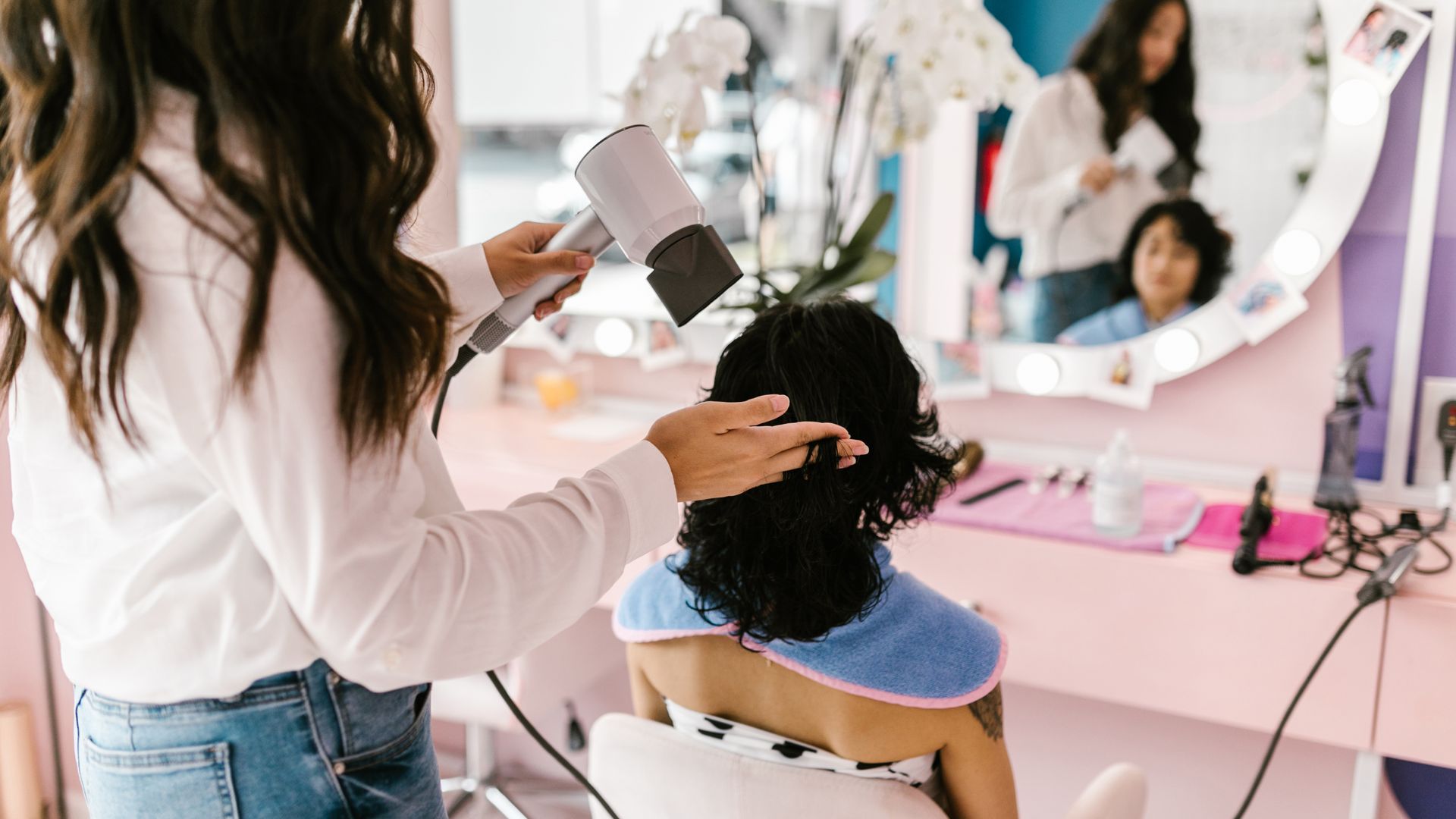
Junior stylists are the cleanest way to price off-peak without discounting. A cut with a junior who is building her book costs less because she's newer, and clients understand that. Put her weekday mornings on the booking page as "Junior Stylist" services at their own lower price.
It helps the junior too: she builds a client list in hours the seniors don't want. Have a senior check finishes at first, so a lower price never means lower quality.
Express services for short gaps
Many people don't book a weekday morning because they don't have two hours free. Give them something that fits:
- A 30-minute express blow-dry before a meeting.
- An express manicure or gel removal in a lunch break.
- A fringe trim or brow shape in 15 minutes.
- A quick men's cut and beard tidy before work, if you serve men.
Express services fill small gaps between longer appointments as well as fully empty blocks, so they help even on days that aren't completely quiet.
Who books off-peak? Target the right people
A blanket offer to your whole list mostly reaches clients who would have booked anyway. Aim it at people whose day really is flexible.
Mums after school drop-off. In much of the Gulf, school starts early and the morning after drop-off is the freest time a mother has all day. A "school hours" offer, from after drop-off to before pickup, speaks directly to her. In ladies' salons, a calm, private weekday morning is a selling point in itself.
Remote and hybrid workers. Someone working from home in Jumeirah Village Circle or Al Malqa can take a long lunch on a Tuesday. Express services and lunchtime slots suit them.
Shift workers. Airline crew, hospital staff and hospitality teams often have weekdays off. They're used to quiet-time pricing already.
Lapsed clients. Someone you haven't seen in three months is a good fit for a weekday invitation. It's a reason to come back without a big discount.
Remember that in Saudi Arabia the PDPL requires opt-in consent for direct marketing, so only send these offers to clients who've agreed to hear from you, and confirm your obligations with SDAIA or a lawyer.
Set clear rules so off-peak doesn't spread
Off-peak pricing goes wrong when the rules are vague, because then every client asks for an exception. Write them down:
- Fixed days and times. "Monday to Wednesday, bookings starting between 9 am and 2 pm." Not "quiet times".
- Named services. List exactly what's included. Leave out your highest-demand services.
- Booked in advance only. No walk-in requests for the off-peak price.
- Not combinable with packages, gift cards bought at a discount, or other offers.
- Moving it moves the price. If a client reschedules into a peak slot, she pays the peak price.
- Review every eight weeks. If a quiet block fills, remove the offer there. It has done its job.
Give it a name that doesn't sound cheap, such as "Weekday Morning Rate" or "School Hours Menu". Avoid the word "discount" on anything you post publicly.
How WAJ helps you run off-peak pricing
WAJ's reports and staff calendar show where the empty chair hours sit, by day and by stylist, so your heat map comes from real bookings instead of memory. You can list junior and express services on your online booking site with their own prices, and use marketing automations and win-back audiences to send weekday offers to the clients most likely to use them, by WhatsApp. If you're thinking about steadier income in general, our guide to the spa membership model in the Gulf shows how memberships can fill the calendar in advance, and how to cut no-shows makes sure the off-peak bookings you win actually turn up.
Want to see your own booking pattern laid out this way? Book a free WAJ demo: waj.ai/demo.
FAQ
Does off-peak pricing make a salon look cheap?
It can, if it's a public, across-the-board discount. Keep it narrow, give it a neutral name, and prefer value-adds or junior slots. Then it reads as smart scheduling, not a sale.
How big should an off-peak discount be?
Big enough to change behaviour, small enough that your peak price still feels fair. Many salons find value-adds work better than a percentage off, because the menu price never changes.
Which hours are usually off-peak for salons?
Usually weekday mornings and early afternoons, but check your own data. Neighbourhood, weekend days and your client mix all move the pattern.
Should senior stylists offer off-peak rates?
Usually not. Protect senior pricing and use value-adds for their quiet hours instead. Lower prices fit best with junior stylists and express services.
How often should I review my off-peak hours?
Every eight weeks, and again after Ramadan, Eid and the start of the summer holidays, because demand shifts a lot around those periods.
Follow WAJ on Google
Add WAJ as a preferred source to see more of our articles in your Google Search results, marked with a "preferred" badge.