
Hygiene and Sanitation Standards Every Salon Should Follow (and Clients Notice)
WAJ Team
September 20, 2026
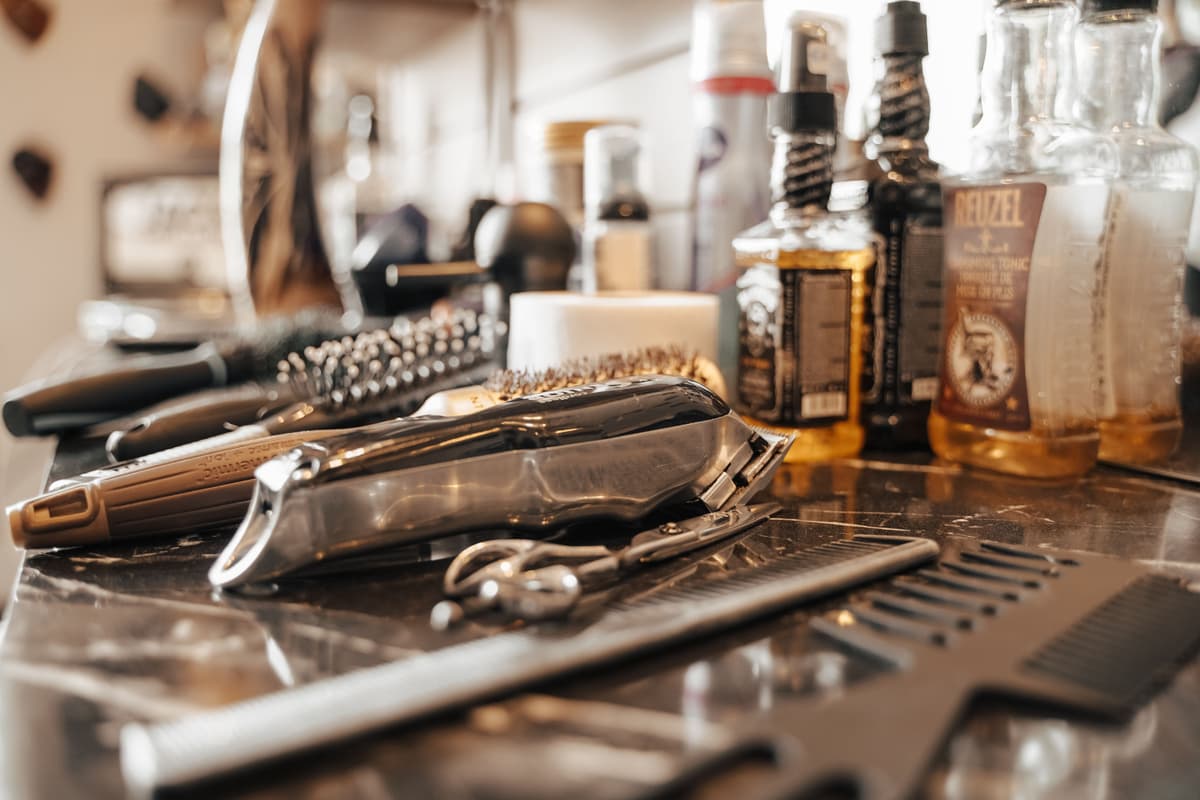
Clients may not say it out loud, but they are always watching how clean your salon is. A stray hair on the chair, a tool that was not visibly sanitised, a towel that looks less than fresh these tiny details quietly decide whether someone trusts you enough to come back. Beyond the impression, hygiene is a genuine health and safety responsibility: salons handle skin, hair, nails, and sharp tools, and poor sanitation can spread infections and expose you to real liability. Getting hygiene right protects your clients, your staff, and your reputation all at once. Here are the standards every salon should follow and why clients notice more than you think.
Why hygiene matters more than ever
Clients have become far more conscious of cleanliness in recent years, and many now judge a salon on it before they judge the haircut. Visible, consistent hygiene is no longer a nice-to-have; it is part of the service and a real point of difference. A spotless salon signals professionalism and care, while a single lapse — a dirty basin, a tool reused without cleaning — can undo years of goodwill and travel fast by word of mouth. In an industry built on trust and repeat visits, cleanliness is one of the cheapest and most powerful investments you can make.
Tool cleaning, disinfection, and sterilisation
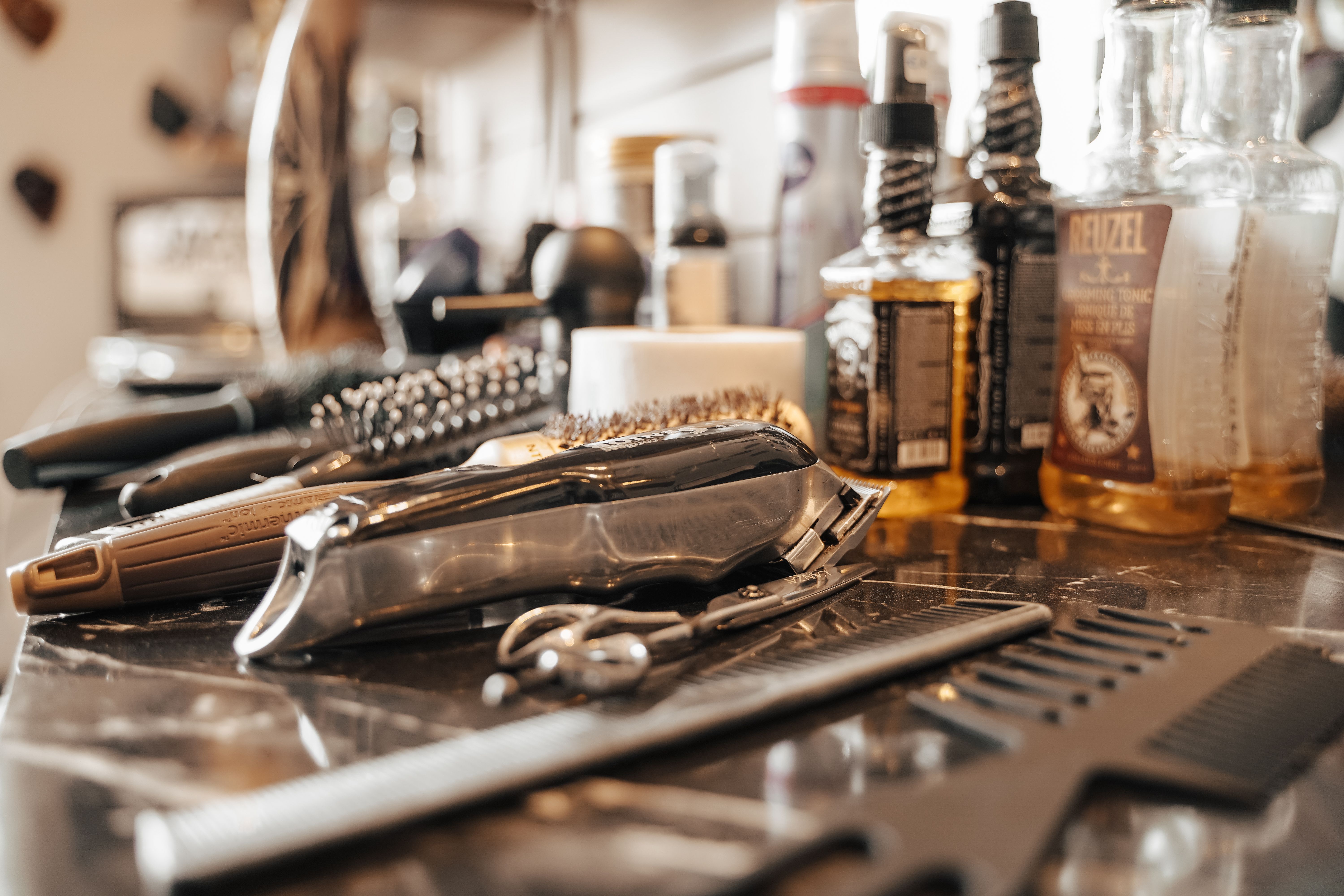
Your tools touch every client, so they are the highest priority. Follow a clear standard: clean tools of debris, then disinfect or sterilise them appropriately between every client. Metal tools like scissors, clippers, and tweezers should be properly disinfected; items that can penetrate skin demand the highest level of sterilisation. Combs, brushes, and reusable implements should be washed and disinfected regularly, not just wiped. Anything that cannot be properly cleaned certain files, applicators, and similar should be single-use and thrown away after one client.
Clean stations between every client
Each client should feel like they are the first of the day. Between appointments, clear away all hair and debris, wipe down the chair and workstation, and disinfect surfaces the client touched. A quick reset between clients keeps standards high and shows the next person that their space was prepared for them, not inherited from someone else.
Towels, capes, and linens
Fresh linens per client are non-negotiable. Use a clean towel and cape for each person, and never re-use a towel between clients "just this once." Have a proper laundry routine, store clean linens separately from used ones, and make sure everything is fully dry to avoid mildew. Clients absolutely notice a towel that is stiff, stained, or smells less than fresh.
Hand hygiene and personal cleanliness
Your team's own hygiene is part of the client's experience. Staff should wash or sanitise their hands before and after every client, keep nails and uniforms clean, and wear gloves for colour, chemical, and treatment work. Clean, well-presented staff reinforce the sense that the whole operation is careful and professional.
Surfaces, floors, and the whole space
Hygiene is not only about the chair. Keep floors swept and mopped through the day, wipe down high-touch points like door handles, card machines, and waiting-area surfaces, and keep bathrooms genuinely clean clients often judge a whole business by its bathroom. A tidy, fresh-smelling space tells clients that care runs through everything you do.
Ventilation and air quality
Good airflow matters, especially where chemicals, dust, and fumes are present. Proper ventilation keeps the air fresh, protects both staff and clients from irritation, and prevents that heavy chemical smell that makes a space feel unclean even when surfaces are spotless. Fresh air is an underrated part of a hygienic-feeling salon.
Product storage and expiry
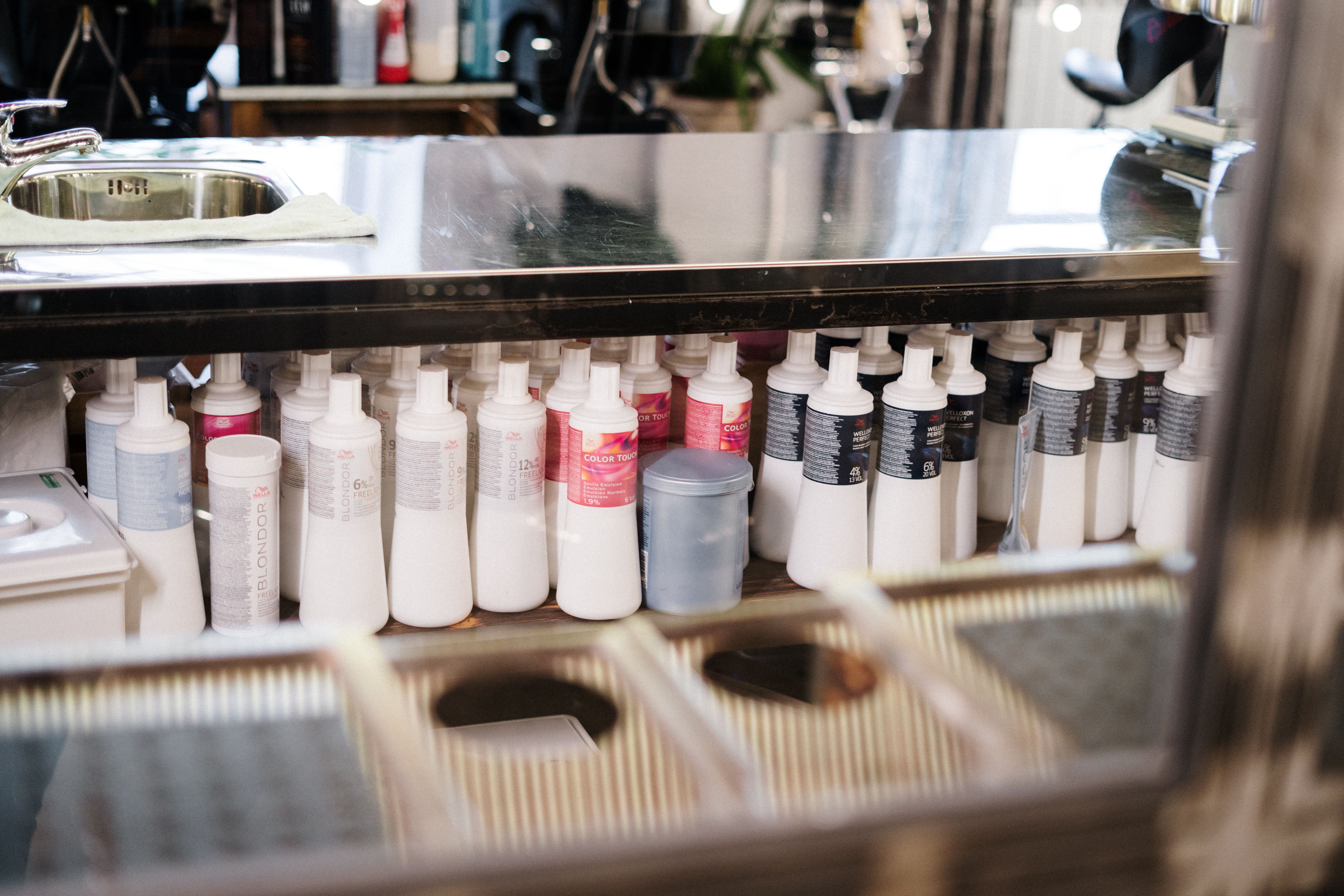
Store products correctly, keep lids closed, and check expiry dates using expired or contaminated product is both a hygiene risk and a service-quality risk. Well-organised, in-date, properly sealed products signal a salon that is on top of its details.
Waste disposal
Dispose of waste properly and promptly, with covered bins emptied regularly and sharps handled safely in the correct containers. Overflowing bins or visible waste undo all your other efforts in an instant.
Make your hygiene visible
Here is the part many salons miss: it is not enough to be clean clients need to see that you are. Sanitise tools in front of the client, use visibly fresh towels, and keep your cleaning routine on display rather than hidden away. When clients watch you take hygiene seriously, it builds trust and becomes something they talk about for the right reasons.
Keep standards consistent with a routine
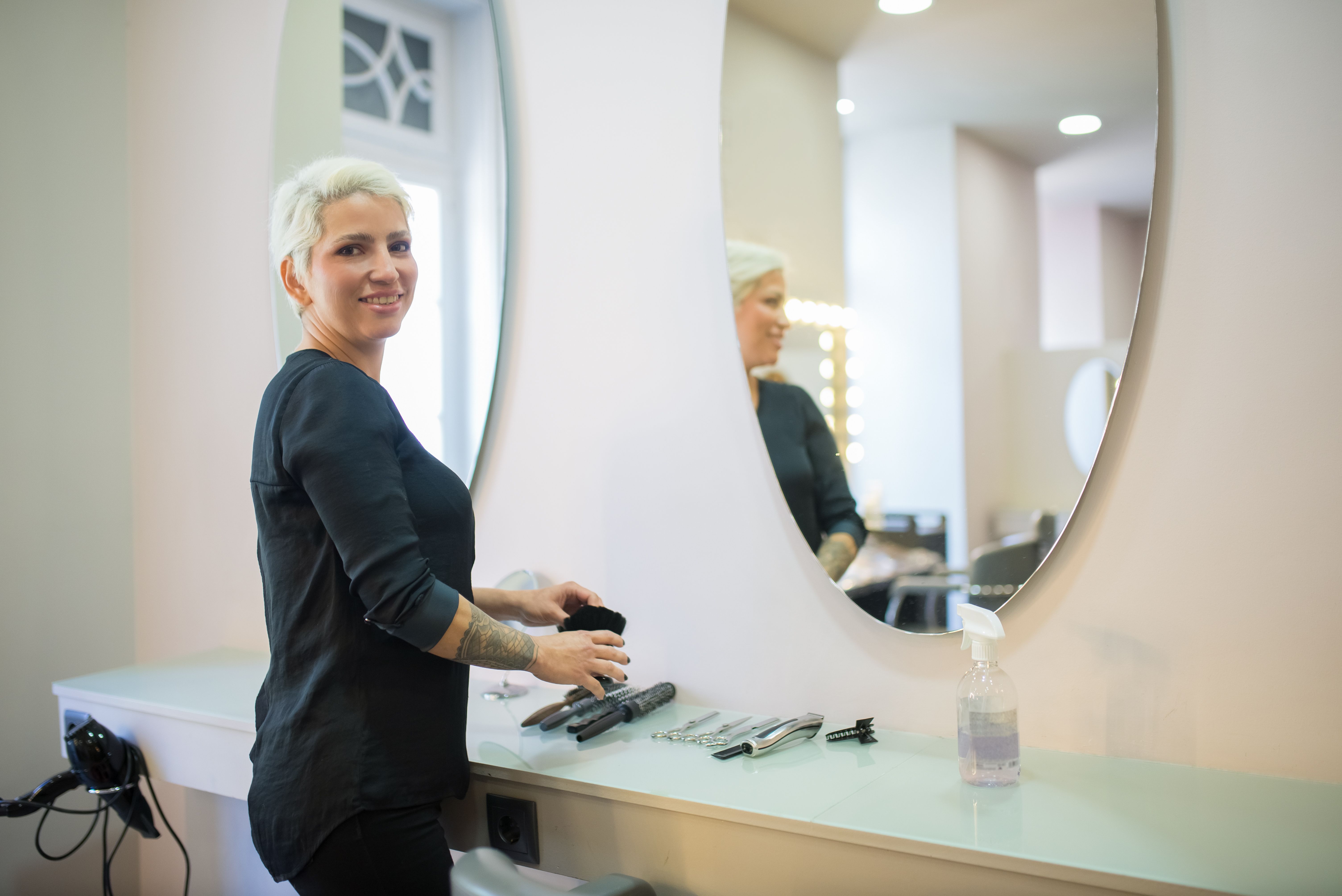
The hardest part of hygiene is not knowing what to do it is doing it consistently on a busy day. That is where a clear routine and a little breathing room in the schedule help. Build a short cleaning reset into the gap between appointments so it never gets skipped in a rush, and keep a simple checklist so every team member holds the same standard. This is one small, practical way a well-managed schedule supports quality: with WAJ you can set sensible buffer time between bookings and manage your team's day so proper cleaning and preparation always fit in, rather than being sacrificed to a packed calendar.
Clean isn't just about health it's about trust. And trust is what brings clients back. Start free or book a demo.
Follow WAJ on Google
Add WAJ as a preferred source to see more of our articles in your Google Search results, marked with a "preferred" badge.