
Adding Hair Extensions to Your Salon: Methods, Pricing and Maintenance Visits
WAJ Team
August 8, 2026
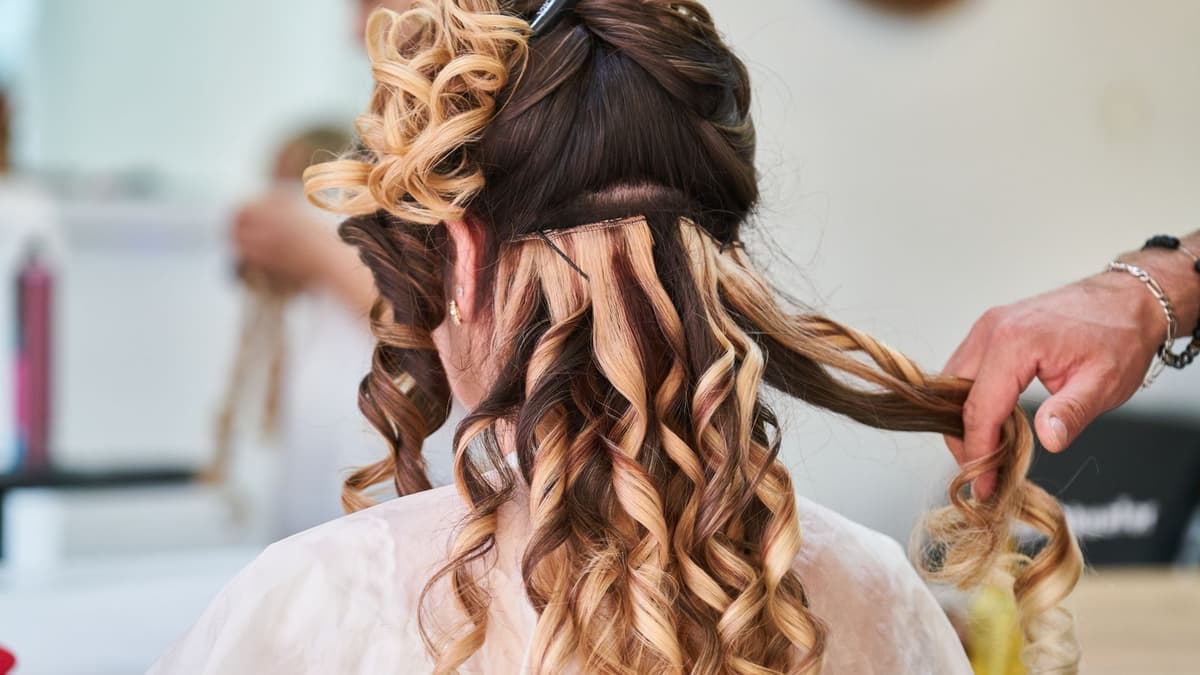
A hair extensions salon service works best as a cycle, not a one-off appointment. The client pays for the hair and the fitting, then returns every few weeks for a move-up, which gives you steady, predictable chair time. To launch it well you need one or two methods your team is properly trained in, a paid consultation with colour matching, a deposit policy for ordered hair, and a calendar that can hold long appointments without wrecking the rest of the day.
Which hair extension methods should a salon offer first?
Don't launch with all five. Pick one permanent method and one temporary option, then add more once demand is clear.
Tape-in. Thin wefts with adhesive tape, sandwiched around a small section of natural hair. Fast to fit and flat to the head. The tapes slide down as hair grows, so they need regular move-ups.
Keratin bonds (fusion). Small strands bonded one by one with a keratin tip. Very natural movement, good for clients who tie their hair up. Long to fit, and removal needs the right solution and patience.
Micro-rings (I-tips or nano rings). Strands held by a small clamped metal ring, with no heat or glue. The rings need tightening and moving up as hair grows.
Weft (sewn or beaded). A row of hair attached to a braid or a line of beads. Adds a lot of volume quickly and suits thicker or textured hair.
Clip-in. The client fits and removes them herself. No maintenance visits, but a good retail product, an easy first step for a nervous client, and useful for weddings and events.
How do the methods compare?
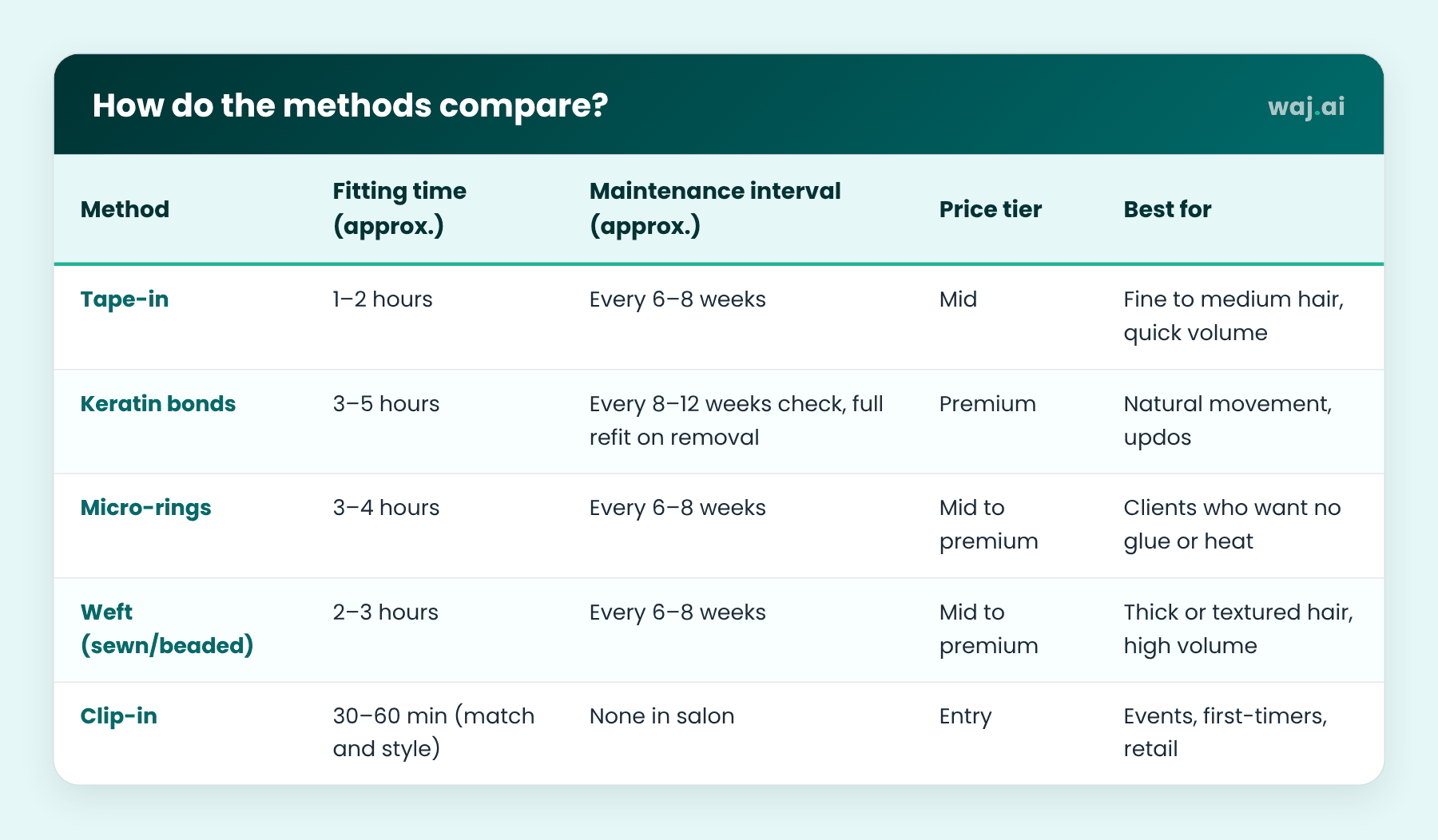
- Tape-in
Fitting time (approx.): 1–2 hours
Maintenance interval (approx.): Every 6–8 weeks
Price tier: Mid
Best for: Fine to medium hair, quick volume - Keratin bonds
Fitting time (approx.): 3–5 hours
Maintenance interval (approx.): Every 8–12 weeks check, full refit on removal
Price tier: Premium
Best for: Natural movement, updos - Micro-rings
Fitting time (approx.): 3–4 hours
Maintenance interval (approx.): Every 6–8 weeks
Price tier: Mid to premium
Best for: Clients who want no glue or heat - Weft (sewn/beaded)
Fitting time (approx.): 2–3 hours
Maintenance interval (approx.): Every 6–8 weeks
Price tier: Mid to premium
Best for: Thick or textured hair, high volume - Clip-in
Fitting time (approx.): 30–60 min (match and style)
Maintenance interval (approx.): None in salon
Price tier: Entry
Best for: Events, first-timers, retail
These ranges vary with the amount of hair, hair type and the stylist's speed. Plan with them, then adjust from your own appointment history.
Why the consultation matters more than the fitting
Most extension complaints start before any hair goes in. A good consultation covers:
- Hair and scalp condition. Fragile, heavily bleached or thinning hair may not carry the weight. Say no when you need to; a bad set on weak hair costs more than the lost sale.
- Lifestyle. Does she swim, wear a headscarf all day, train at the gym, tie her hair up? Under a scarf, flat methods like tape-in usually sit more comfortably.
- Length and volume goal. Use photos and real samples. Clients often underestimate how many grams a full look needs.
- Colour matching. Match in daylight at the mid-lengths and ends, not the roots. Many clients need two or three shades blended.
- Budget and maintenance commitment. Explain the move-up visits and their cost before she pays anything. If she can't commit to maintenance, offer clip-ins.
Charge for the consultation and credit it against the fitting if she books.
Before-and-after photos sell extensions, but get clear permission first. In Kuwait, the Ministry of Health's salon requirements guide (2025) bans photographing or recording customers, so check what applies where you operate.
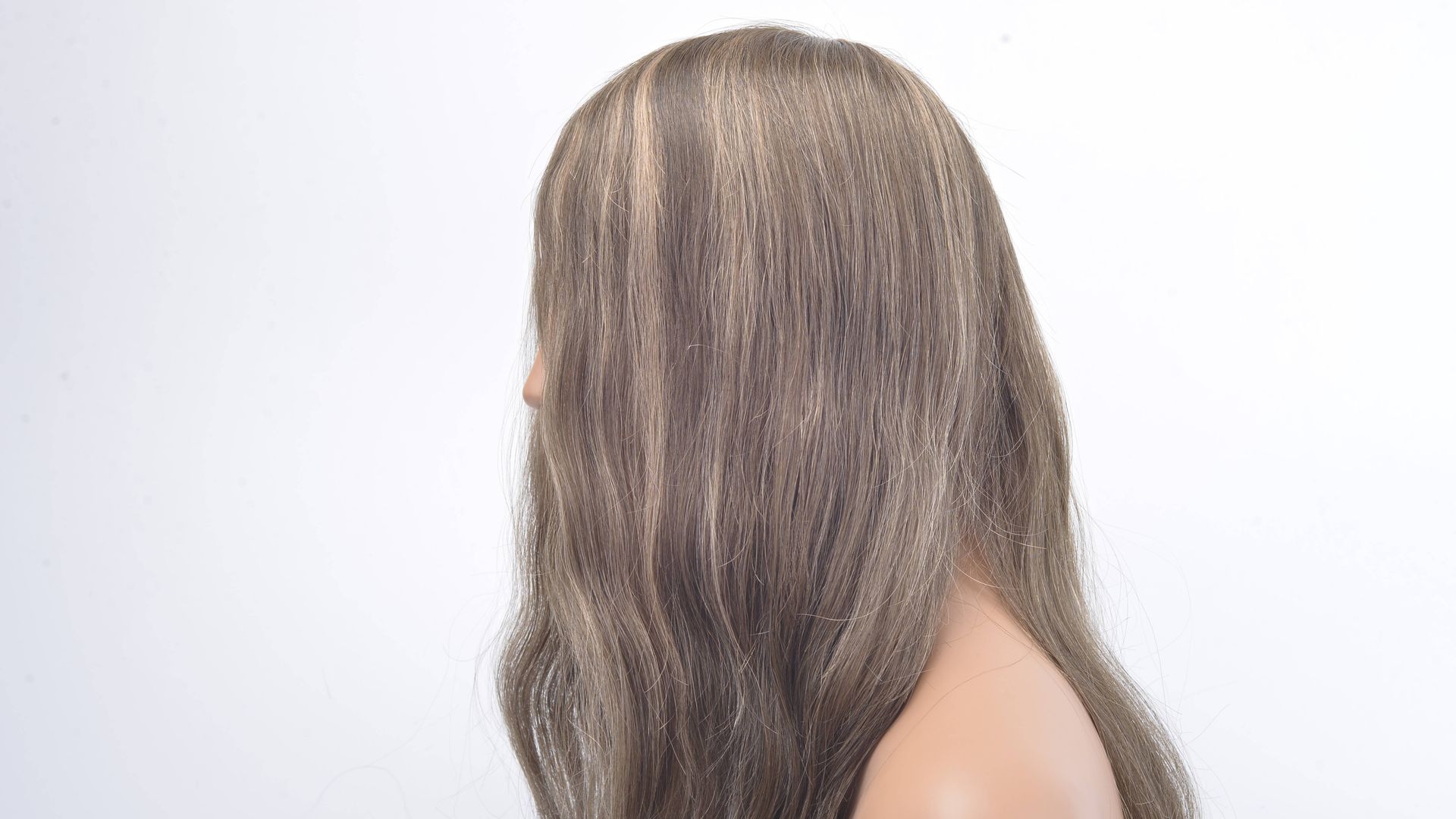
Hair sourcing, stock and deposits for ordered hair
Holding stock lets you fit faster and earns margin, but ties up cash. Start with your two or three best-selling tape-in shades and order the rest.
Ordering per client keeps cash free, but you carry the risk if she changes her mind. Hence the deposit:
- Take a deposit that covers at least the cost of the hair before you order.
- State in writing (WhatsApp counts) that ordered, colour-matched hair is non-refundable.
- Book the fitting only once the hair has arrived.
Track every pack in your inventory: supplier, shade, length, grams, and the client it was ordered for. Extensions are expensive stock, and a missing pack is real money. Keep retail clip-ins and aftercare products in the same inventory.
Our guide to cutting salon no-shows covers deposits and reminders in more depth. With extensions the stakes are higher, because the hair is already paid for.
How long should extension appointments be?
A three-hour bond fitting booked as "2 hours" pushes back every client after it.
Set each method as its own service with a realistic duration, plus a buffer for blow-dry and cutting-in. If your senior stylist does both colour and extensions, give long fittings fixed days so her colour regulars still get in.
In WAJ, each method can be its own service with its own duration on the staff calendar, with the deposit recorded against the booking. For online booking, offer "book a consultation" first, so nobody books five hours of bonds without a colour match.
Maintenance and move-up cycles: where the recurring revenue is
The fitting is the big ticket. The move-ups are the business.
With tape-ins, the client returns roughly every six to eight weeks to have the wefts removed, cleaned, re-taped and moved back up. Micro-rings are opened, slid up and closed. Bonds are checked and slipped ones replaced.
To make this reliable:
- Book the next visit before she leaves the chair. This is the biggest habit.
- Send a WhatsApp reminder a few days before.
- Price maintenance as its own service, not a blow-dry add-on.
- Flag overdue clients. Skip a move-up for four months and she comes back with matting and a bigger job. A win-back message around week eight to ten catches many of them.
Some salons sell a prepaid package of move-ups to clearly long-term clients. You can see how prepaid models work in our article on the spa membership model in the Gulf.
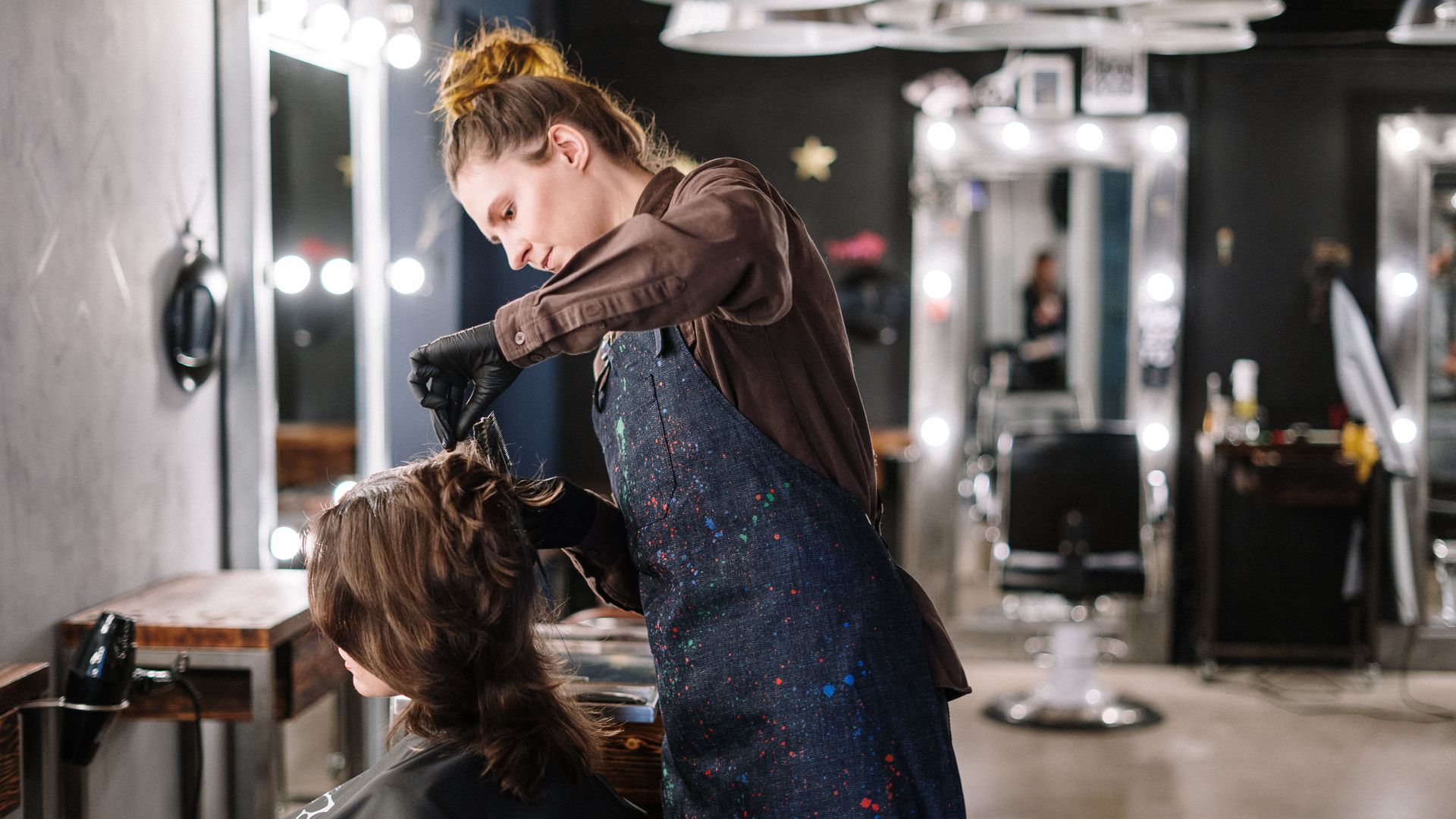
Removal and aftercare
Removal is a paid service, never a free extra at the end of a move-up. Use the correct remover for the method and take your time. Rushed removal is how clients lose their own hair, and then they blame the extensions.
Aftercare is the other half of a good result. Send every client a short WhatsApp note:
- Brush daily from the ends upwards with a soft-bristle or loop brush.
- Avoid oil-based products near tapes and bonds.
- Tie hair in a loose braid for sleeping.
- Let the roots dry fully, especially under a headscarf.
- Book the next maintenance visit on time.
Sell the brush and shampoo at the desk.
Training your team
Clients talk, so before launch:
- Send one or two stylists to proper method training from a reputable educator or your supplier.
- Have them practise on mannequin heads, then staff, before paying clients.
- Start with a small menu and generous appointment times.
- Agree commission clearly. Many salons pay it on the labour only, not the hair.
Check product rules too. Kuwait's 2025 salon guide, for example, requires ministry-approved products with expiry dates and opened items labelled with their first-use date. Confirm current requirements with your local health authority.
How should you price hair extensions?
Split the price into clear parts:
- Consultation (credited against the fitting).
- Hair, priced by grams, length and method.
- Fitting labour, priced by time.
- Maintenance / move-up, priced per visit.
- Removal, priced per visit.
Separating hair from labour protects your margin when supplier prices change and makes the deposit logic obvious. For a broader look at running a women's salon in the region, see our guide to ladies' salon management in the Gulf.
If you want to see how extension services, deposits, inventory and maintenance reminders fit together in one system, book a free WAJ demo: waj.ai/demo.
FAQ
Which hair extension method is best for a salon starting out?
Most start with tape-ins: fitting is relatively quick and move-ups create regular bookings. Clip-ins make a good entry option.
Should a salon take a deposit for hair extensions?
Yes. Take a deposit that covers at least the hair cost before ordering, and state in writing that colour-matched, ordered hair is non-refundable.
How often do clients need extension maintenance?
Tape-ins and micro-rings are usually moved up roughly every six to eight weeks; bonds are checked less often.
Can clients who wear a headscarf have extensions?
Yes. Flat methods such as tape-in often sit comfortably under a scarf, as long as roots are dried fully.
Is extension removal charged separately?
It should be. Removal takes skilled time, so price it as its own service.
Follow WAJ on Google
Add WAJ as a preferred source to see more of our articles in your Google Search results, marked with a "preferred" badge.