
Veterinary Medical Records Software: Why Every Pet Profile Should Be Linked to Its Owner
WAJ Team
November 28, 2026
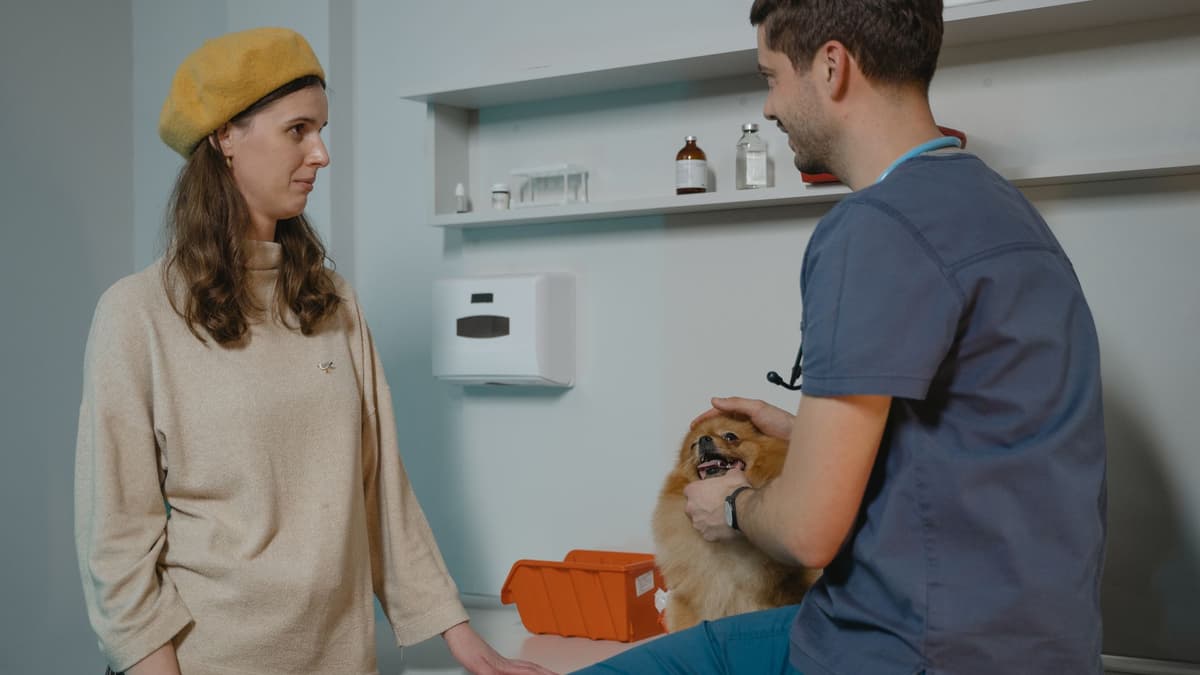
Veterinary medical records software keeps each pet's full history (species, weight, vaccines, visits, prescriptions and notes) in one digital file that is linked to the owner who pays and books. That link matters: one owner often has two or three pets, and the clinic needs to see all of them, reach the right person, and find any record in seconds. Paper cards and scattered notes can't do that reliably.
What goes wrong with paper cards and scattered notes?
Picture a Thursday evening at a clinic in Al Barsha. A woman walks in with a limping Saluki. She says he had "some injection" in spring at your clinic, and the cat had one too. The receptionist pulls the card drawer. The dog's card is there. The cat's card is filed under the husband's name. The vet's note about the spring visit says "ref. WhatsApp" and points to a phone that left with a vet who resigned in the summer.
None of this is unusual. In plenty of clinics, records live in four places at once:
- Paper cards, filed by pet name, owner name or whatever the person on shift preferred.
- The vet's personal phone, holding photos, lab results and owner messages.
- A spreadsheet someone started for vaccine due dates and stopped updating.
- The POS, which knows what was sold but not to which pet.
The cost shows up quietly. Vaccines get missed because nobody saw the due date. A new vet repeats a test because the earlier result sits in someone else's gallery. And when registration data is needed, someone spends an afternoon digging.
What should a complete digital pet record include?
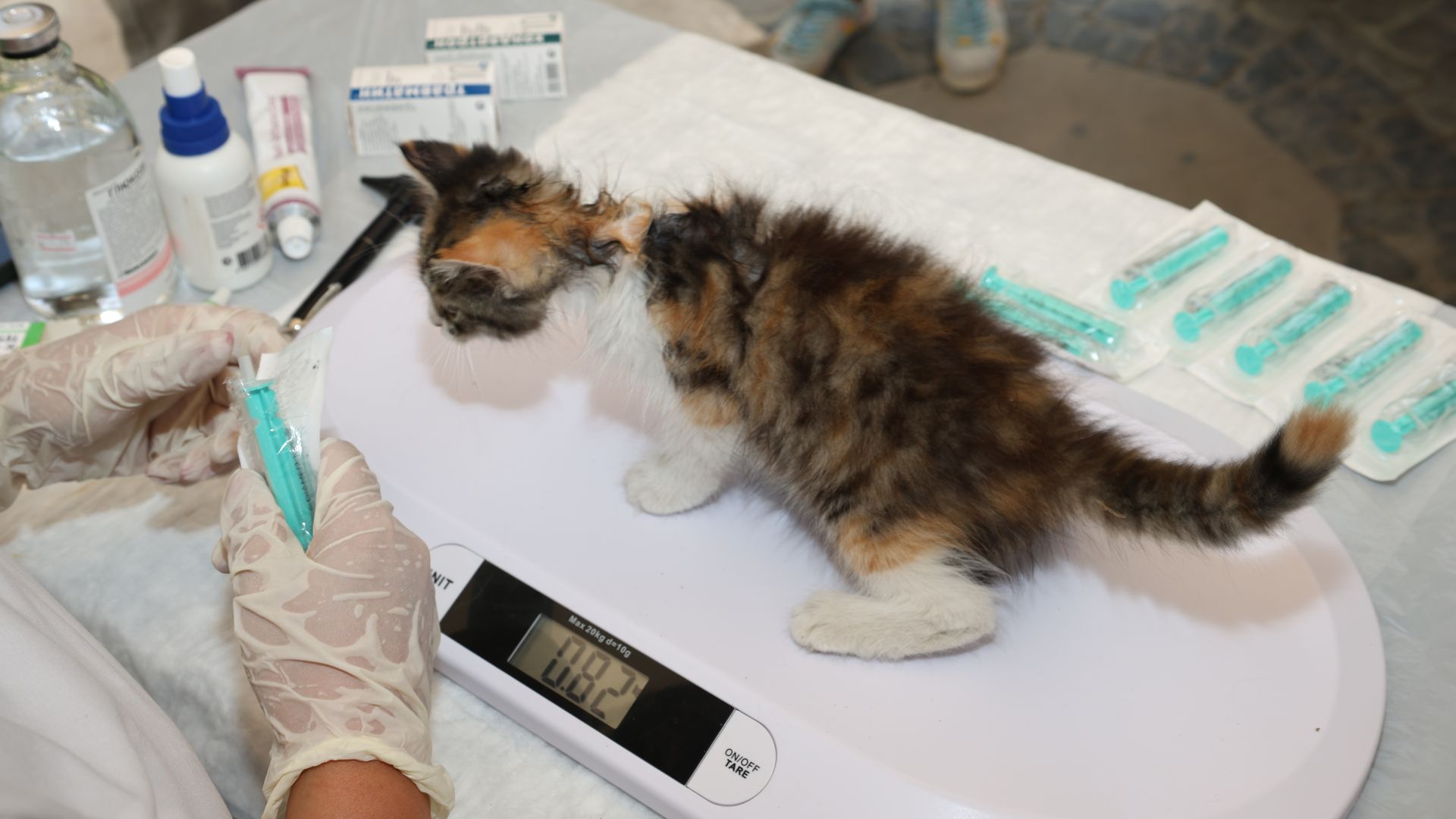
A good record answers two questions fast: who is this animal, and what has already happened to it? The vet decides the clinical content, including which vaccines and when. The software holds it in one consistent place, so the next person on shift sees the same picture.
Here is a practical field list you can use when you set up or audit your records:
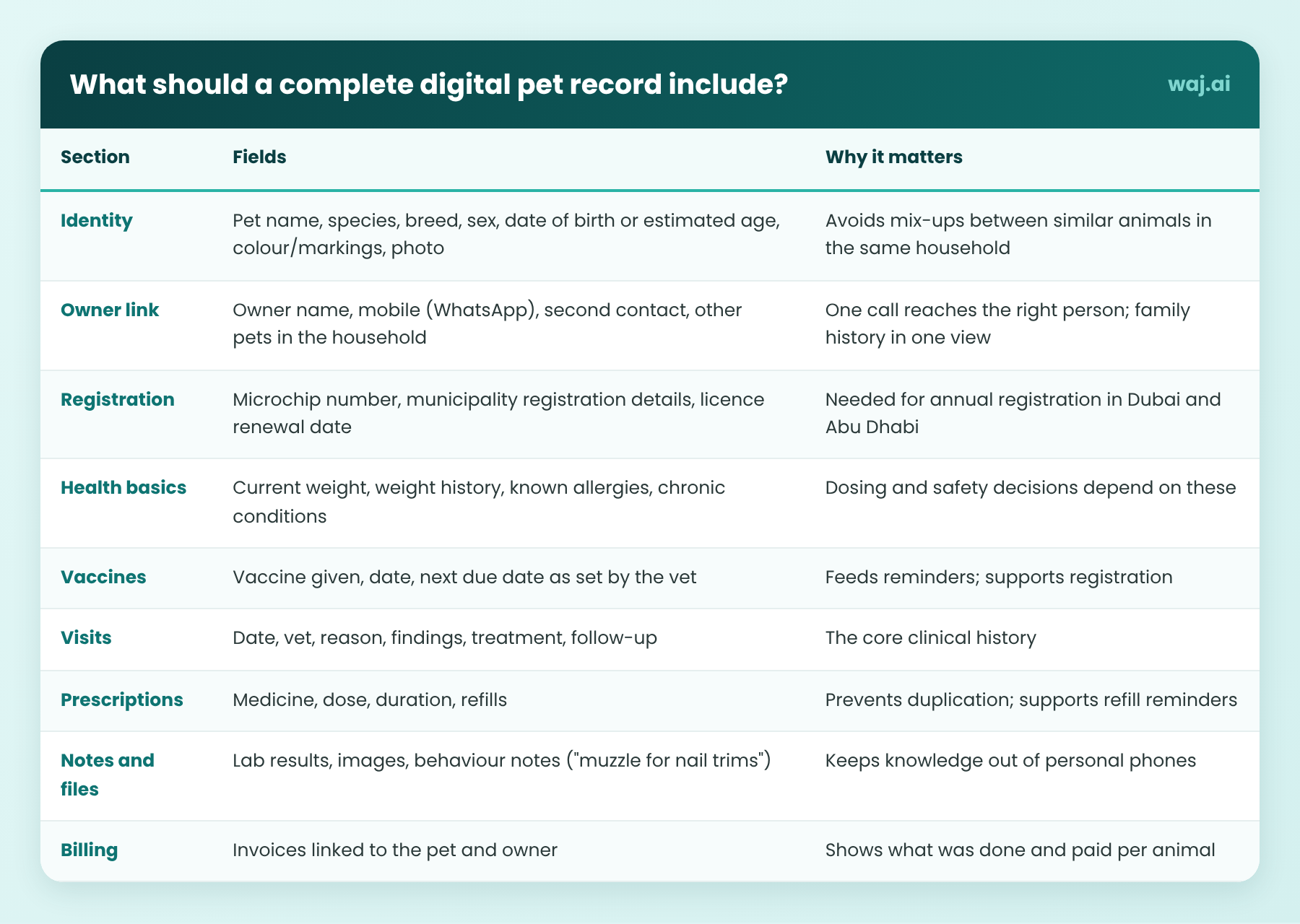
You don't need every field on day one. Start with identity, owner link, microchip, allergies and vaccines, then add the rest as visits come in.
Why should several pets be linked to one owner?
Because you talk to the owner and treat the pets. Gulf households often have a cat or two plus a dog. With every pet under one owner profile:
- Reception sees the whole household when the owner calls.
- Reminders can be grouped, so the owner gets one sensible message instead of three.
- Billing is clear: each invoice shows which pet received which service.
- If the phone number changes, you update it once.
There is a commercial side too. If the dog is due next month and the cat is overdue, suggest one visit for both. Better care, fuller book, no hard selling.
What registration and microchip details do vet clinics need?
Registration rules in the UAE run through licensed clinics, so your records feed directly into the process. As general rules:
- Dubai: every cat and dog must be microchipped, vaccinated and licensed every year. Registration is done through a licensed vet clinic that uploads the records to Dubai Municipality.
- Abu Dhabi: pet registration has been mandatory through TAMM (Department of Municipalities and Transport) since February 2025. A licensed vet submits the data and registration is renewed every year.
- UAE generally: dogs and cats need microchips and annual vaccinations, as Khaleej Times has reported.
So the microchip number, owner details and vaccine record must be accurate and easy to pull every year. A renewal date field turns a yearly scramble into routine.
These are general rules, and they change. Check current requirements with Dubai Municipality, TAMM or your local authority, including in Saudi Arabia and Jordan.
Who should see what? Access by role
Not everyone needs the same view. A sensible split:
- Vets see and write clinical notes, prescriptions and vaccine records.
- Nurses and technicians see clinical history and record weights, vitals and treatments as directed.
- Reception sees owner details, appointments, vaccine due dates and invoices, but doesn't edit clinical notes.
- The owner or manager sees reports, billing and staff activity.
Owner contact details are personal data, covered by the UAE's PDPL (Federal Decree-Law No. 45 of 2021) and Saudi Arabia's PDPL, enforceable since 14 September 2024. Keep access tight and confirm your obligations with a lawyer or SDAIA.
How do owners get updates on WhatsApp?
Owners in the Gulf read WhatsApp far more reliably than email. Use it for the messages that keep pets on schedule: appointment reminders, vaccination due dates and check-up reminders.
IDEXX's reminder best practice is a good template: first reminder 5 to 7 days before, a follow-up 24 to 48 hours before, and a same-day morning reminder for surgery or first visits. Include the pet's name, date and time, preparation instructions from the vet and a "reply YES to confirm" line. Track no-shows, confirmations and reschedules.
The pet's name in the message does more work than you'd expect. "Luna's vaccine is due on 3 December" gets a reply. "Your appointment is due" often doesn't. We covered the broader WhatsApp playbook in how salon software uses WhatsApp across MENA, and the same reminder habits apply to clinics, as our guide to cutting no-shows explains.
How does ROUH keep the full pet history?
ROUH by WAJ is WAJ's new product for veterinary clinics, built on the same Arabic-first platform salons and clinics in the region use. It covers the basics argued for here:
- Pet profiles linked to their owner, including several pets under one owner.
- Medical history and visit records kept in each pet's file, so the next vet sees what the last one did.
- Vaccination reminders, plus WhatsApp reminders for appointments, vaccinations and check-ups.
- Billing and POS in the same system, with e-invoicing for UAE VAT and Jordan JoFotara built in, and Saudi ZATCA through a certified partner.
There is no booking commission and no onboarding fee. For the full feature list, read our ROUH vet clinic software guide.
My advice for moving off paper: don't digitise ten years of cards in a week. Profile every pet that comes in from now on and back-fill older ones as they return. Within months, the drawer holds only animals you rarely see.
If you'd like to see how pet and owner profiles look in practice, book a ROUH demo at waj.ai/demo.
FAQ
What is veterinary medical records software?
Software that stores each animal's identity, medical history, vaccines, prescriptions and notes in a digital file linked to the owner, replacing paper cards with records the whole team can search.
Can one owner have several pets in one profile?
Yes, and they should. Linking all pets to one owner lets the clinic see the whole household, group reminders and keep billing clear for each animal. ROUH supports several pets per owner.
Is microchip registration mandatory in the UAE?
As a general rule, dogs and cats in the UAE need microchips and annual vaccinations, and Dubai and Abu Dhabi require yearly registration through a licensed vet. Rules change, so confirm the current requirements with Dubai Municipality, TAMM or your local municipality.
Who decides what goes into a pet's medical record?
The vet. Software holds the record and sends reminders; vaccine schedules and treatment are the vet's call for each pet.
How should a clinic move from paper to digital records?
Create a digital profile for every pet seen from today, back-fill older records when those pets return, and give each role only the access it needs.
Follow WAJ on Google
Add WAJ as a preferred source to see more of our articles in your Google Search results, marked with a "preferred" badge.