AI for Clinics and Patient Data in the UAE and Saudi Arabia: What You Can and Can't Do
WAJ Team
November 10, 2026
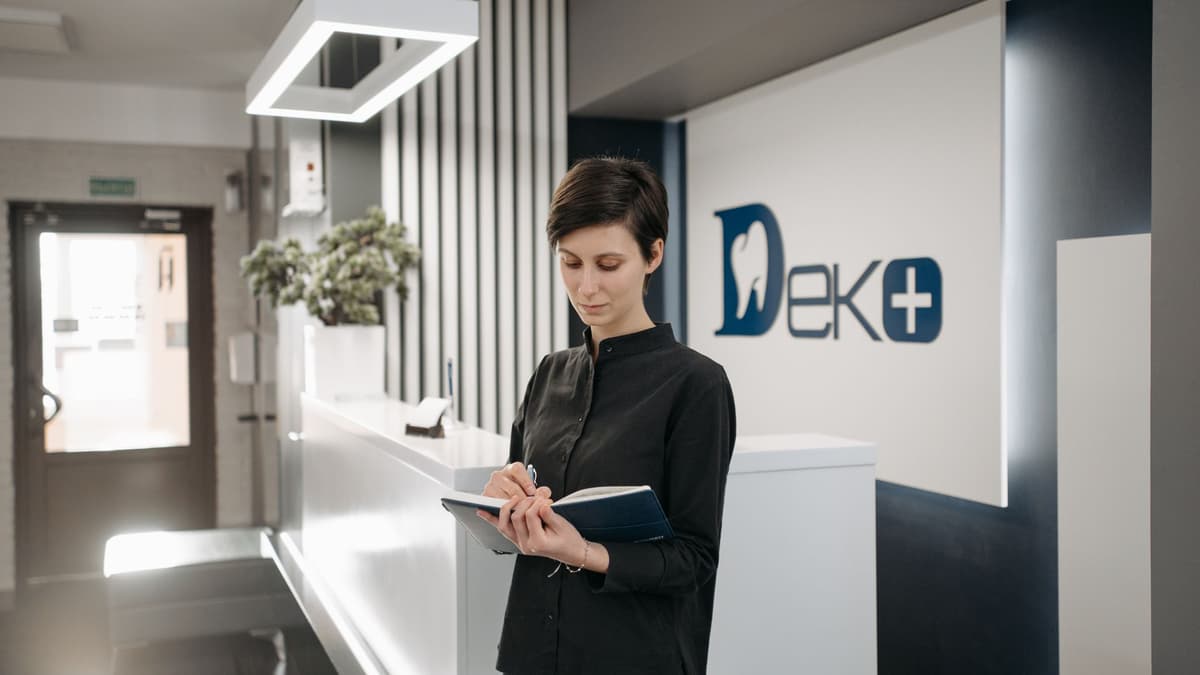
Yes, clinics in the UAE and Saudi Arabia can use AI assistants like ChatGPT and Claude, but not by pasting patient files into a public chatbot. Health data is the most sensitive category of personal data in both countries, so the safe route is AI that connects to your clinic system with role-based access, approvals and consent records, with marketing kept apart from medical data.
A scene I have seen more than once: 9:40 pm at an aesthetic clinic in Jumeirah. The practice manager wants a list of filler patients due a review, so she exports last quarter's appointments to Excel, pastes them into ChatGPT and asks for a summary. Four minutes, good answer. It is also the kind of shortcut that can put a clinic licence in an awkward conversation.
Why is patient data different from salon client data?
A salon record holds a name, a phone number and a colour formula. A clinic record holds consultation notes, before-and-after photos, allergies, medications, treatment plans and, in dental or dermatology clinics, diagnoses. That is health data, and both countries put it in a protected class with tighter rules on where it is stored, who sees it and what it is used for. A front desk used to a salon-style CRM needs new habits once the business is a licensed clinic.
What do UAE rules say about AI and patient data?
The UAE PDPL. Federal Decree-Law No. 45 of 2021 is the general data protection law: collect data for a clear purpose, protect it and respect the rights of the people it belongs to.
The UAE health data law and data localisation. Federal Law No. 2 of 2019 on ICT in health fields goes further. By default, health data relating to services in the UAE must be stored and processed inside the UAE. A 2021 Ministerial Resolution lists exceptions, such as treatment abroad, insurance, telemedicine and the patient's own request. A general-purpose chatbot summarising your patient list does not fit neatly into any of them.
NABIDH in Dubai. Dubai clinics connect to NABIDH, the emirate's health information exchange, so your records already sit in a regulated system. Treat internal tools with the same care.
DHA scope of practice. DHA treats injectables and medical lasers as medical acts for licensed clinics only, and beauty therapists cannot inject. This shapes AI too. A spa's chatbot should never offer or book injectables, and a clinic's AI tools should route medical questions to licensed staff instead of answering them.
What does Saudi PDPL mean for clinics using AI?
Saudi Arabia's Personal Data Protection Law has been fully enforceable since 14 September 2024, regulated by SDAIA. Four points matter for clinics:
- Health data is "sensitive data" and gets stricter handling than contact details.
- Health data cannot be used for marketing. You cannot pick "patients who had acne treatment" and send them an offer built on that fact.
- Direct marketing needs opt-in consent, with an easy opt-out.
- Fines go up to SAR 5 million.
A clinic in Riyadh can still send a WhatsApp offer to a patient who opted in. It cannot let the medical record decide who gets it.
These are summaries, not legal advice. Confirm the details for your clinic with DHA, DOH, MOH, SDAIA or a lawyer who works with health data.
Can I paste patient information into ChatGPT or Claude?
Not into a public chatbot account. Once a patient list is pasted into a consumer AI chat, you no longer control where it is processed, who at the vendor could access it or how long it is kept, and you have no access record to show a regulator. With the UAE default that health data stays in the country, that is hard to defend.
The same tools are fine for work with no patient data: a consent form template, clearer Arabic aftercare instructions or a staff training script.
Safe vs risky: how clinics should use AI
- Find patients due a follow-up
Risky way: Export appointments and paste them into a public chatbot
Safer way: Ask through a connector that reads your clinic system with your role's access - Write a recall message
Risky way: Target a promotion by diagnosis or treatment history
Safer way: Send a neutral reminder; market only to opted-in patients, with no medical targeting - Summarise a patient file
Risky way: Upload notes, photos or lab results to a personal AI account
Safer way: Keep clinical notes in your clinical system unless your vendor and regulator approve otherwise - Answer patients after hours
Risky way: Let a chatbot give treatment advice
Safer way: AI handles booking and logistics; licensed staff handle medical questions - Change bookings or records
Risky way: Give the AI full write access on day one
Safer way: Start read-only, then allow changes with approval for each one - Run a campaign in Saudi Arabia
Risky way: Message everyone in the database
Safer way: Use opt-in records, an easy opt-out and no health data in targeting - A staff member leaves
Risky way: Their AI access keeps working
Safer way: Revoke access instantly
Six rules for using AI with patient data in your clinic
- Never paste patient files into public chatbots. Names with treatment notes, photos, IDs, lab results: none of it goes into a personal ChatGPT or Claude account.
- Use role-based connectors, not copy and paste. The AI should see only what the person asking may see. A receptionist's AI has no business in a doctor's clinical notes.
- Start read-only. Let the team ask questions for a few weeks before AI changes anything. Most of the value is in the answers anyway.
- Require approval for changes, especially anything a patient will see.
- Keep consent records. Know who agreed to marketing, when and on which channel. In Saudi Arabia that is the difference between a campaign and a complaint.
- Separate marketing from medical data. Your marketing list can know that someone visited. It should not know why.
Where do AI receptionists fit?
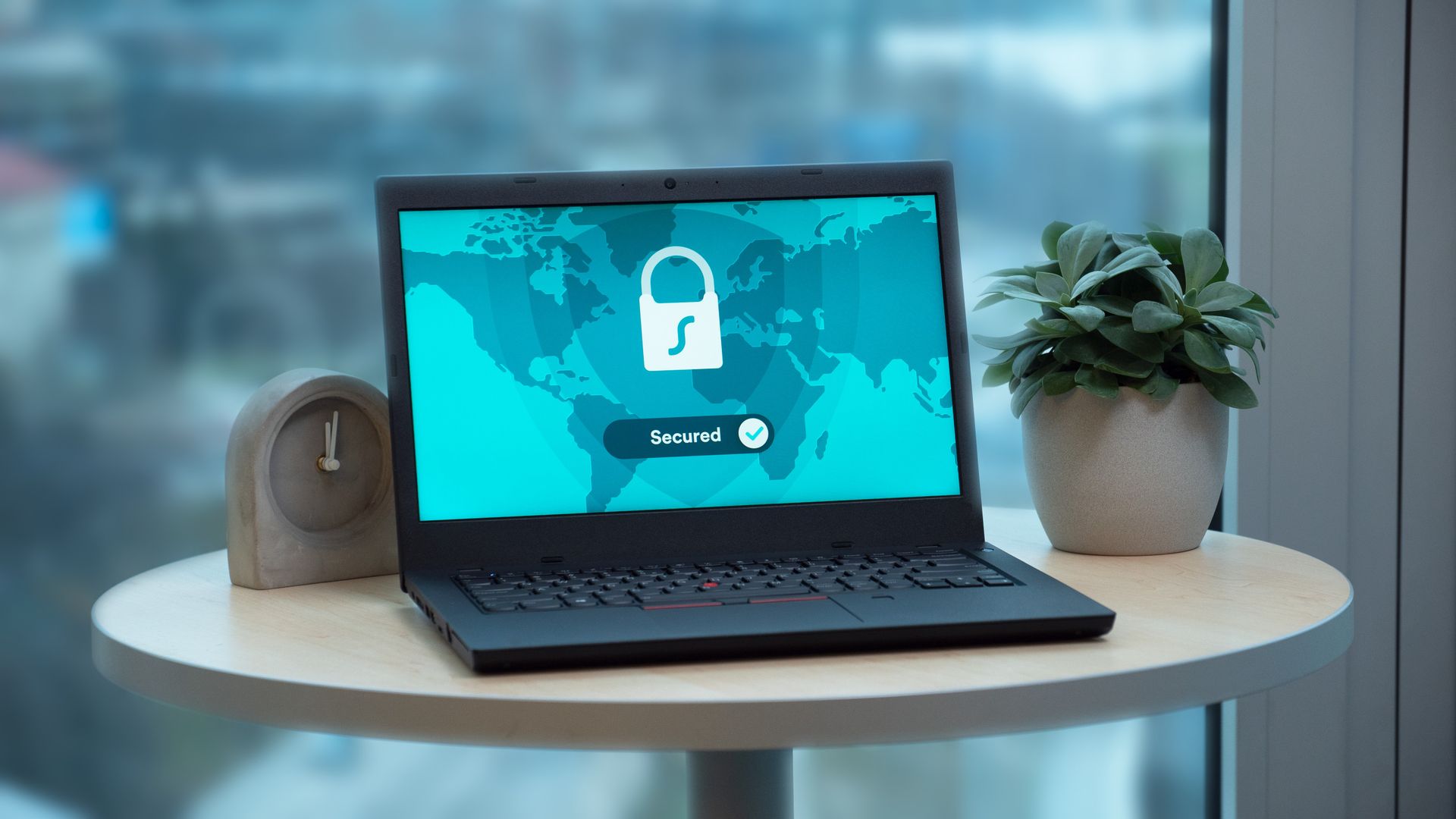
They are a real opportunity. Zenoti's survey of medspa regulars found 71% are comfortable with an AI receptionist, rising to 80% among people aged 45 to 60, and Zenoti's own data suggests about 30% of inbound calls to a typical beauty and wellness business go unanswered.
The safe design keeps the AI on logistics: hours, prices, open slots, directions, rescheduling. "Can I have filler while on antibiotics?" goes to a nurse or doctor. Our guide to an AI voice agent covers the setup side.
The same applies to bookings that start in an AI chat. With WAJ Booking, a patient can find a clinic's open times from Claude, but confirms on the clinic's own booking site, not in the chat.
How a role-based connector like WAJ's MCP fits
MCP is the standard that lets Claude and ChatGPT connect to business software. Instead of copying data out, the AI reads it where it lives, under rules the clinic sets. If it is new to you, start with what the WAJ MCP connector is.
WAJ's connector lines up with the rules above:
- Role-based access. The AI gets the same access as the person's WAJ role, nothing more.
- Read-only or read-and-change. Owners choose. Most clinics should start read-only.
- Approvals. The AI asks before every change. Bulk updates, merges, imports, staff access changes and anything patients will see wait for approval inside WAJ.
- No money movement. Refunds, payouts and transfers are not available to AI apps.
- Instant revoke. Access can be switched off immediately, for example when someone leaves.
So the Jumeirah manager can ask Claude, in Arabic or English, "Which patients had a filler appointment three to four months ago and have nothing booked?" without exporting a single file. WAJ's clinic product, Nabd, sits in the same family. For the wider operations picture, see aesthetic clinic management automation in the UAE, Saudi Arabia and Jordan.
One honest caveat. A connector controls access; it does not decide on its own whether your setup meets health data rules. Before connecting patient records to any AI tool, confirm health-data hosting and compliance with your regulator and your software vendor, WAJ included. Ask where data is stored and processed, which actions need approval, whether AI can move money and how fast access can be revoked. If a vendor can't answer clearly, wait.
FAQ
Is it legal to use ChatGPT in a UAE clinic?
Using it for drafting, training and non-patient work is common. Putting identifiable patient data into a public chatbot sits badly with the health data law's localisation default. Confirm your specific use with DHA, DOH, MOH or a lawyer.
Can a Saudi clinic send promotions to past patients?
Yes, if they opted in to marketing and can opt out easily. Health data is sensitive under PDPL and cannot be used for marketing, so never target offers by treatment or condition.
What is NABIDH?
Dubai's health information exchange. Dubai clinics connect to it, so patient records sit in a regulated network.
Is an AI receptionist safe for a clinic?
It can be, if it sticks to bookings and logistics, passes medical questions to licensed staff and only reaches the data the front desk needs.
What is the safest first step with AI?
A read-only, role-based connection for owners and managers only. Watch how it is used for a month before allowing changes.
Related reading
- ChatGPT for Clinic Managers: 30 Copy-Ready Prompts for Aesthetic, Dental and Dermatology Clinics
- AI Receptionist for Clinics vs WhatsApp Chatbot vs MCP Connector: Which One Do You Actually Need?
AI will save your front desk and managers real hours, as long as patient data stays inside a system you control. To see an approval-first setup working in a clinic, book a free WAJ demo: waj.ai/demo.
Follow WAJ on Google
Add WAJ as a preferred source to see more of our articles in your Google Search results, marked with a "preferred" badge.