
How to Reduce Salon Electricity Costs (and Water Bills) This Summer
WAJ Team
August 2, 2026
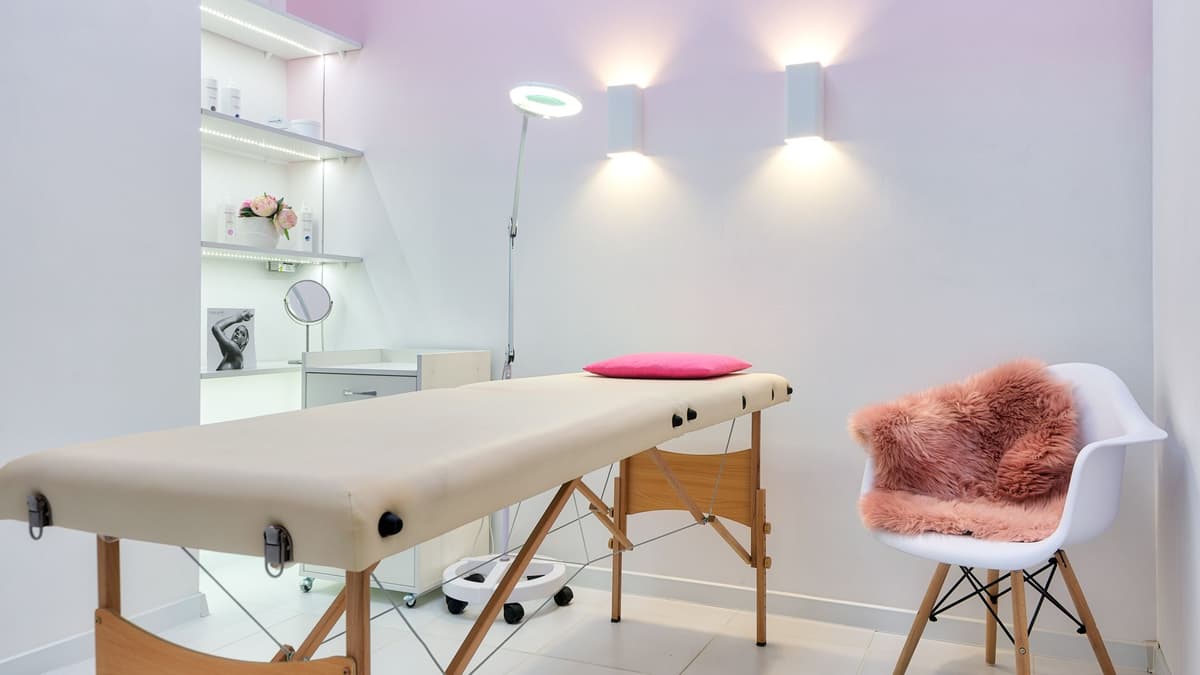
The fastest way to reduce salon electricity costs in a Gulf summer is to stop cooling, lighting and heating rooms nobody is using. Zone your air conditioning, cluster bookings so quiet areas can close, run laundry and steam rooms on a schedule, and check every monthly bill against revenue. You don't need new equipment to start, just better habits and a calendar you plan around.
August is when it stings. Families travel over the school holidays, bookings soften, and the AC works its hardest of the year. Anyone running a ladies' salon in Sharjah or a spa in Riyadh knows the picture: a half-empty Tuesday afternoon, every room chilled, every light on, and a dryer spinning for three wet towels.
Why are salon electricity bills so high in summer?
Cooling is the obvious one. Between May and September the AC rarely rests, and a salon adds heat a normal shop doesn't: blow-dryers, flat irons, hot towel cabinets, pedicure tubs, steam rooms and laundry dryers.
Water comes next. Hair washes, pedicure basins, treatment-room showers, hammam areas and laundry all add up, and hot water costs you twice, once for the water and once for heating it.
Then there's the waste nobody sees. A storage room cooled like a client room. A display fridge running for two bottles. A nail lamp on standby all night. Small on their own, but they show up every month.
How to zone your AC and set sensible setpoints
If one thermostat runs the whole salon, you're cooling everything to suit the busiest corner.
- Map rooms by use. Reception, hair floor, nail bar, treatment rooms, staff room, storage. Note which sit empty for hours.
- Split controls where your system allows. Give each zone its own thermostat and its own owner.
- Agree setpoints and post them. One comfortable temperature for client areas, a slightly warmer one for back-of-house, taped next to each control. Daily thermostat arguments cost money.
- Pre-cool, don't overcool. Switch a treatment room on shortly before its first booking, not at opening.
- Close empty zones. No nail bookings after 4pm? Shut the door and turn that zone up or off.
A client lying still in a robe feels cold long before a stylist on her feet does. A warm blanket in one room is cheaper than chilling the whole floor for her.
Don't skip AC maintenance
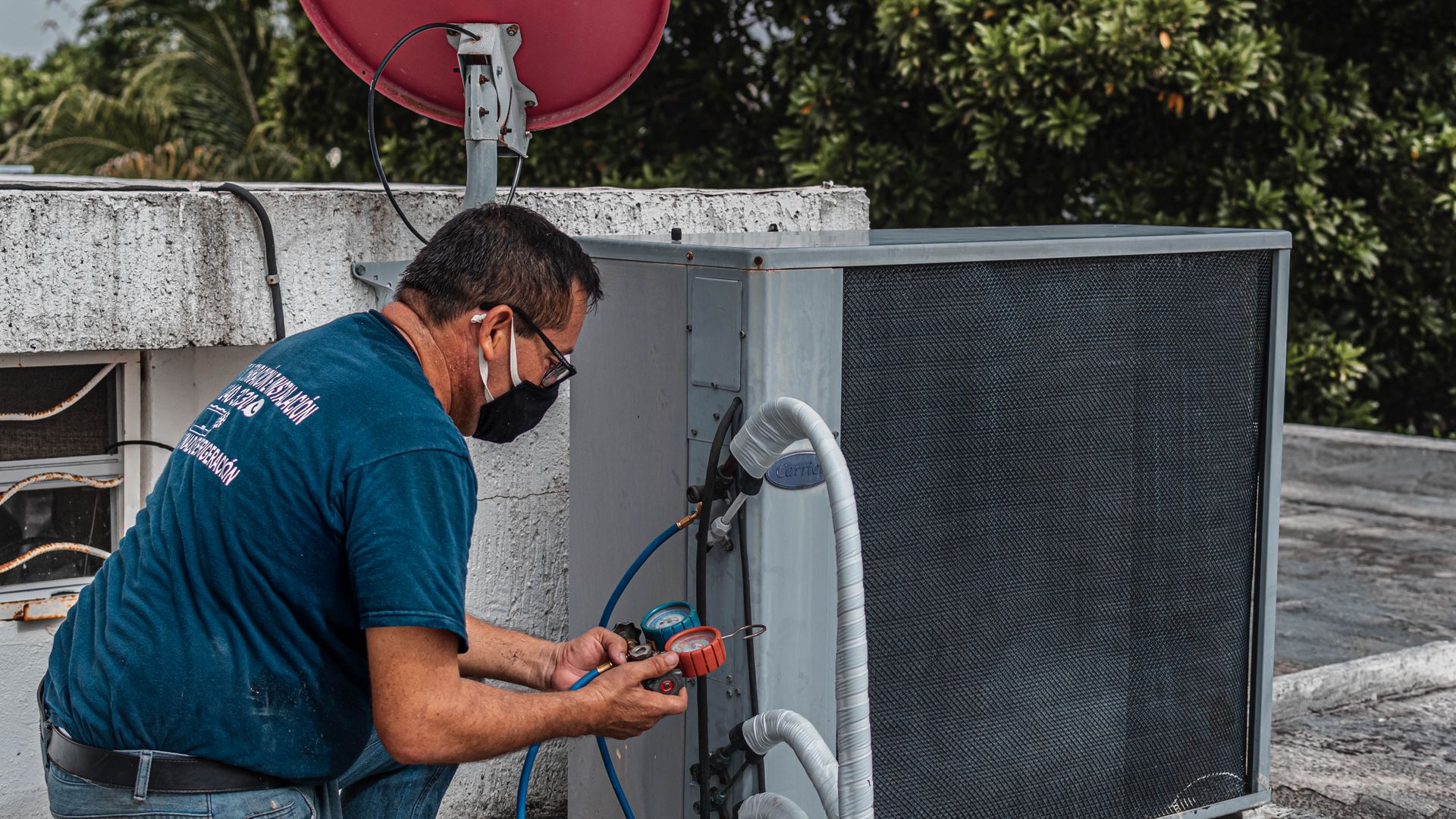
Hairspray, dust and nail filings clog salon filters faster than office ones, and a clogged unit works harder for the same result. Book a technician before peak summer, clean or change filters on a schedule, and make sure outdoor units aren't trapped behind blocked vents. If a room never cools properly, get it checked instead of dropping the setpoint again.
Door discipline
This one is free. A front door propped open "to look welcoming" pours cold air onto the pavement, and so does a back door left open for deliveries. Fit a door closer, keep the entrance shut, and keep treatment-room doors closed so they hold the temperature you're paying for.
Use booking clustering to close quieter zones
Here your calendar starts saving money. Scattered bookings mean every room stays ready. Grouped bookings mean whole areas can close.
- Fill one wing first. Reception books the front rooms before opening the back ones.
- Stack slow-day appointments into mornings and late afternoons, so midday runs on fewer zones and fewer staff.
- Trim the dead hours. If the last hour of the evening brought almost nothing last August, close earlier and save on cooling, lighting and wages.
- Build rotas around the clusters. Fewer people on shift means fewer stations powered up.
This only works if reception can see free rooms and chairs at a glance. In WAJ, the staff calendar shows bookings by staff member, so the team can steer new appointments into the zones you want open. For the revenue side of quiet months, see our guide to the Gulf salon summer slow season.
How to cut hot-water and steam room costs
- Steam rooms and saunas: switch them on by booking, not habit. If the first hammam slot is at 2pm, it shouldn't be heating at 10am. Follow the manufacturer's guidance on warm-up time.
- Water heaters: set them to the temperature you actually need, insulate exposed hot pipes, and fix dripping taps the week you spot them.
- Basins and pedicure tubs: no running water between steps, and tubs filled only to the level needed.
- Showers: a lower-flow head usually goes unnoticed by clients and adds up over a month.
Run laundry in full loads
In a spa, laundry is one of the quiet giants. Half-loads all day burn water, power and detergent.
- Count towels and robes per booking so you know daily volume.
- Run washers and dryers only when full.
- Shift loads to quieter hours, away from peak AC demand.
- Hold enough stock that nobody is forced into a rush half-load.
- Clean dryer lint filters daily. Blocked filters mean longer cycles.
If you outsource, compare the per-piece price against your own water and power. Summer can change the answer.
Switch to LED and control your lighting
LEDs use less power and give off less heat, which also eases the load on your AC. Replace bulbs room by room, starting with the ones on longest. Add motion sensors in toilets, storage and staff rooms, put signage and display lights on timers, and switch off closed zones. Keep the lighting clients see bright and true, though. Nobody should judge a colour result under dim, cheap light.
Turn equipment off, not to standby
Towel cabinets, wax heaters, nail lamps, sterilisers, coffee machines, display fridges and TVs all draw power while idle. Give each station a short shutdown list for the last person out, and put non-essential equipment on timer plugs so it switches off even when someone forgets.
Staff habits matter more than gadgets
Your team controls most of this every hour. Give one person per shift ownership of thermostats and lights. Put the shutdown list on the wall, not in a folder. Show staff the monthly bill, because people take it seriously once they've seen the number. Some owners share part of the saving as a team lunch, which works better than any memo.
Track monthly bills against revenue
A bill alone tells you little. A bill as a share of revenue tells you a lot. Each month, log electricity and water next to total sales and compare with the same month last year. If sales dip in August and the bill doesn't move, your costs aren't flexing with demand, so close more zones or shorten hours. Your salon system's sales reports give you the revenue line, and in WAJ multi-branch owners can see which location is drifting.
Salon summer savings checklist
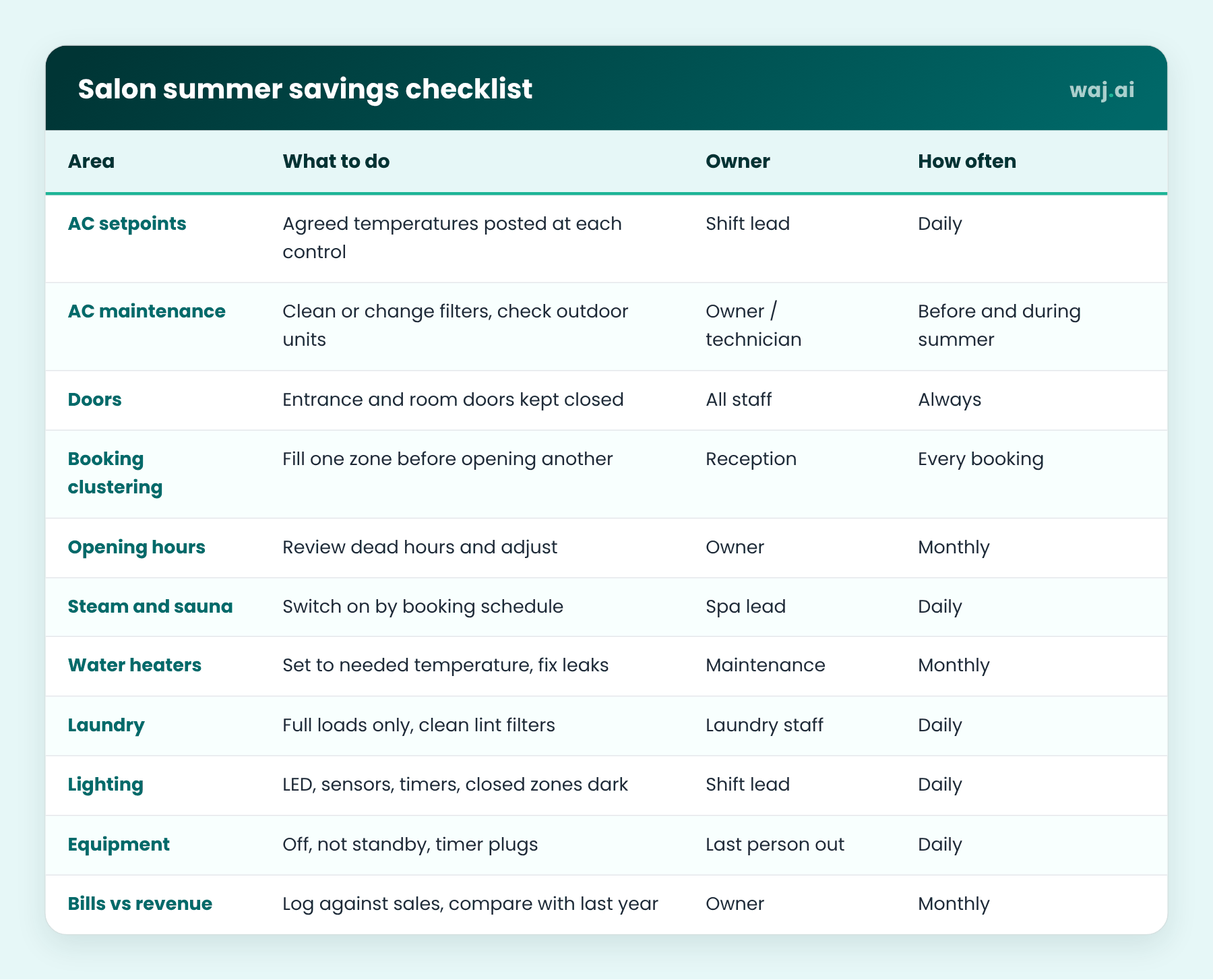
- AC setpoints
What to do: Agreed temperatures posted at each control
Owner: Shift lead
How often: Daily - AC maintenance
What to do: Clean or change filters, check outdoor units
Owner: Owner / technician
How often: Before and during summer - Doors
What to do: Entrance and room doors kept closed
Owner: All staff
How often: Always - Booking clustering
What to do: Fill one zone before opening another
Owner: Reception
How often: Every booking - Opening hours
What to do: Review dead hours and adjust
Owner: Owner
How often: Monthly - Steam and sauna
What to do: Switch on by booking schedule
Owner: Spa lead
How often: Daily - Water heaters
What to do: Set to needed temperature, fix leaks
Owner: Maintenance
How often: Monthly - Laundry
What to do: Full loads only, clean lint filters
Owner: Laundry staff
How often: Daily - Lighting
What to do: LED, sensors, timers, closed zones dark
Owner: Shift lead
How often: Daily - Equipment
What to do: Off, not standby, timer plugs
Owner: Last person out
How often: Daily - Bills vs revenue
What to do: Log against sales, compare with last year
Owner: Owner
How often: Monthly
FAQ
What uses the most electricity in a salon?
In a Gulf summer, air conditioning is usually the biggest load, followed by hot water, steam rooms, laundry and heated tools. Your own bills and equipment list will show where your money goes.
Is it worth closing part of my salon on slow summer days?
Often, yes. If bookings can be clustered into fewer rooms, closing quiet zones cuts cooling and lighting without clients noticing. Check your booking history first.
What temperature should a salon AC be set to?
There's no single right number. Agree a comfortable setpoint for client areas, a warmer one for back-of-house, and keep treatment rooms warm enough for clients lying still.
How can a spa reduce its water bill?
Full laundry loads, quick leak repairs, lower-flow shower heads, pedicure tubs filled only as needed, and no taps running between steps.
How do I know my savings are working?
Track electricity and water as a share of monthly revenue and compare with the same month last year. If the share falls, the changes are working.
The cheapest room to cool is the one you didn't open
Planning summer around your calendar is where most of the saving starts. If you want clear booking clustering, plus WhatsApp reminders that stop the bookings you do have from turning into no-shows, book a free WAJ demo: waj.ai/demo
Follow WAJ on Google
Add WAJ as a preferred source to see more of our articles in your Google Search results, marked with a "preferred" badge.