Private Label Salon Products: Is Your Own Brand Worth It?
WAJ Team
July 25, 2026
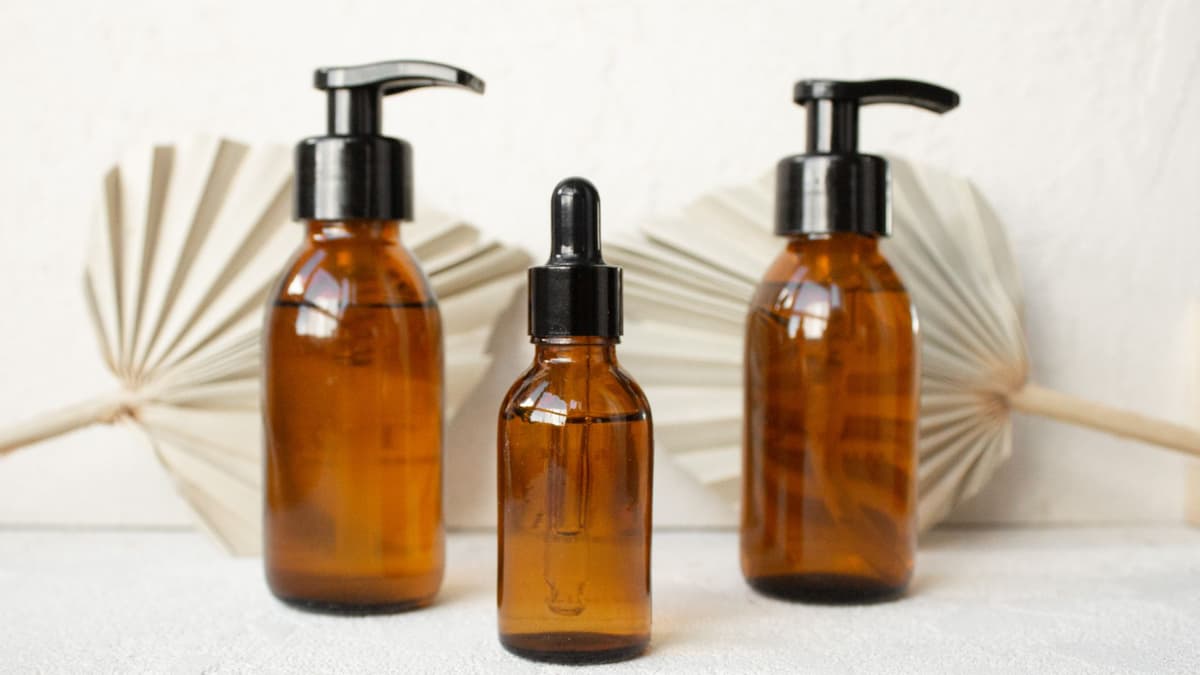
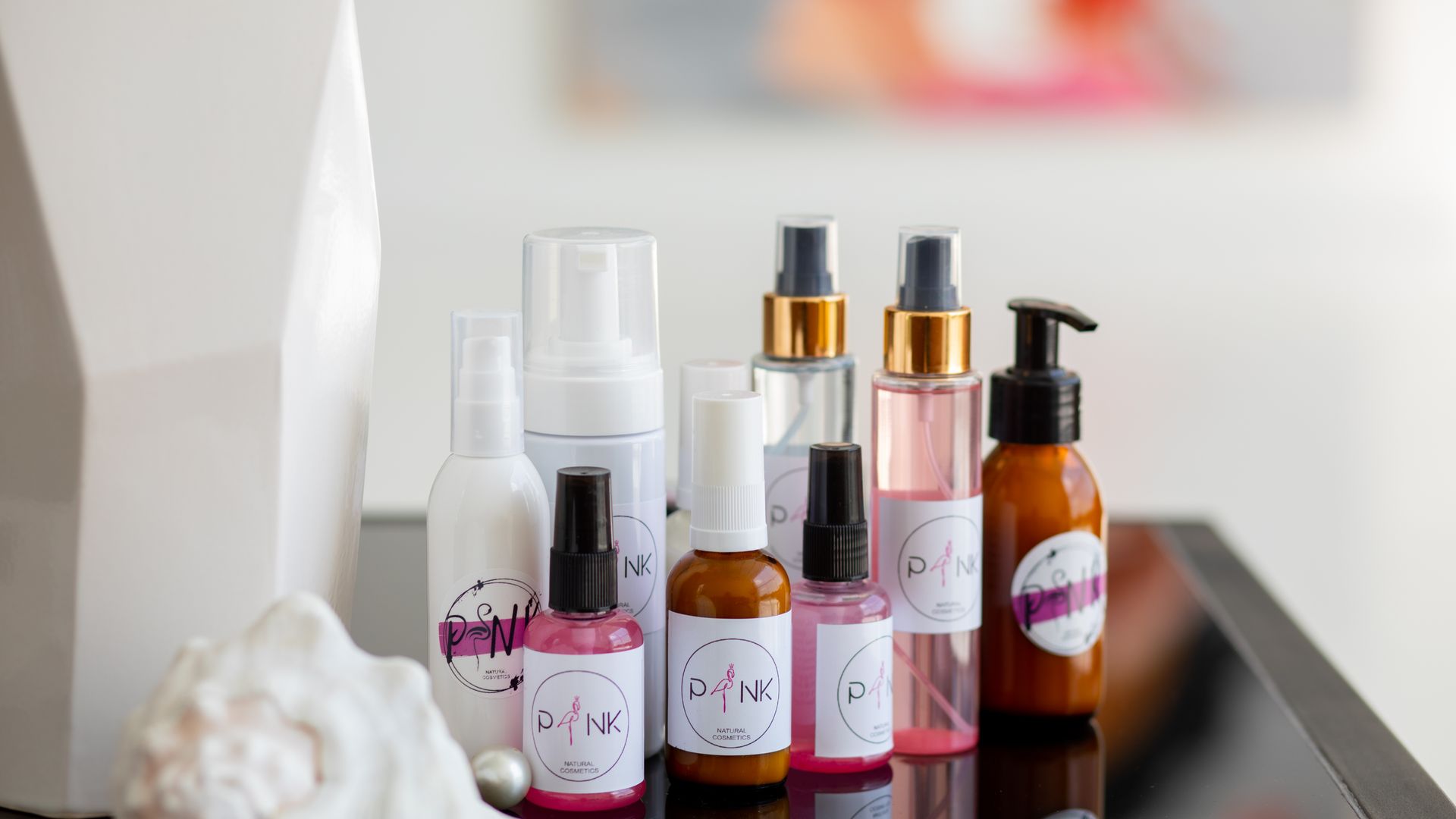
Private label salon products are shampoos, serums, body oils or scrubs made by a manufacturer and sold under your salon's name. They can earn a better margin than reselling known brands and keep clients coming back to you for refills, but they tie up cash in stock, need product registration before sale, and only work if your clients already trust you. For most salons, the right time is after retail of established brands is already selling steadily.
I have watched owners in Dubai and Riyadh order 2,000 bottles of a "signature" hair mask because the sample smelled lovely, then spend a year trying to move them. I have also seen a small spa in Amman turn one body oil into its best-selling item. The difference was never the product. It was the planning.
What does private label actually mean?
A manufacturer already has tested formulas: a sulphate-free shampoo, a hydrating mask, an argan hair oil, a coffee body scrub. You pick a base formula, sometimes adjust the fragrance or colour, choose packaging, and the manufacturer fills and labels it with your brand.
Custom formulation, where a lab develops a new product just for you, takes longer and costs more. Start with private label and leave custom formulas for later, if ever.
Is a private label brand worth it for a salon or spa?
The case for it
- Margin. You buy at manufacturing cost, not at distributor price, so each sale usually leaves more in your pocket.
- Loyalty. A client can buy a well-known brand anywhere. Your own brand is only sold by you, so refills bring her back to your reception desk.
- Brand presence. A bottle on a client's bathroom shelf with your name on it is quiet marketing every morning.
- Gifting. Own-brand sets work well in gift boxes for Eid, Mother's Day and corporate orders.
The case against it
- Cash sits on shelves. You pay for stock months before you sell it.
- No borrowed trust. A known brand comes with reputation and advertising. Yours starts at zero.
- Admin. Registration, labelling and record-keeping take time and fees.
- Responsibility. If a client reacts to a product, your name is on the bottle.
My honest view: private label is a retail business sitting inside your salon. If you don't enjoy retail today, your own brand won't change that.
Minimum order quantities and the cash you tie up
Every manufacturer has a minimum order quantity (MOQ) per product, and often a separate minimum for printed packaging. Low MOQs usually mean a higher cost per unit. High MOQs bring the unit cost down but lock more money into stock.
Before you sign, work out three numbers:
- Total upfront cost for the first order: product, packaging, labels, shipping, registration fees.
- Monthly sell-through you can realistically expect, based on how much retail you sell now, not on hope.
- Months to clear stock. Divide the order by monthly sales. Check this against the product's shelf life.
If the answer is longer than the shelf life, the order is too big. Start with two or three products that match your bestselling treatments, not a full range.
How to choose a manufacturer
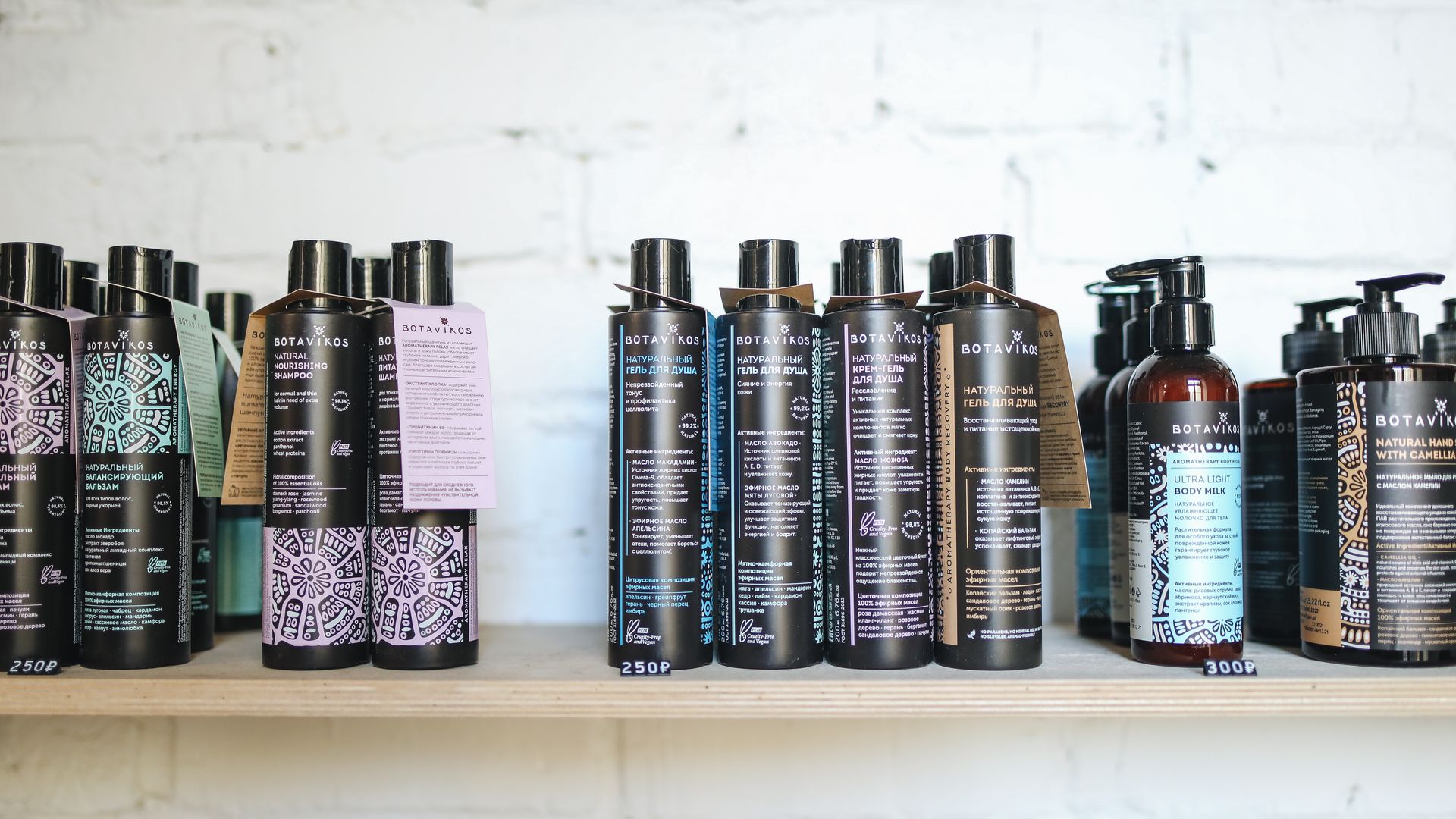
Ask every manufacturer the same questions and compare the answers side by side:
- Can you share the full ingredient list (INCI) and safety documents for each formula?
- What are the MOQs for product and for packaging, separately?
- What is the lead time from approved artwork to delivery?
- Will you provide the documents I need for registration in my country?
- What shelf life and storage conditions apply, as tested?
- Can I order small samples first and test them on staff and a few loyal clients?
If a manufacturer hesitates to share documents, walk away. Registration depends on that paperwork.
Product registration and labelling in the Gulf
Cosmetics generally need registration with the local authority before you can sell them. In the UAE this usually involves the relevant municipality and, in some cases, the Ministry of Health and Prevention (MOHAP). In Saudi Arabia, cosmetics are regulated by the Saudi Food and Drug Authority (SFDA). Other Gulf countries and Jordan have their own processes.
Requirements change and differ by product type and location. Check the current rules with the authority or a registration consultant before your first order. Don't print 2,000 labels until you know exactly what must appear on them.
Arabic labelling
Expect authorities to require Arabic on the label, often alongside English. Typical label content includes the product name, ingredients, net quantity, batch number, expiry or shelf-life information, usage directions, warnings, and the manufacturer and responsible-party details. Confirm the exact list with the authority.
Design the Arabic properly. Arabic squeezed into a corner in a tiny font looks cheap to a Gulf client, and machine-translated warnings are an embarrassing mistake. Have a native speaker proofread every word.
Pricing and margin: an example
Here is an example for a 250 ml hair mask. The figures are illustrative only, not real quotes. Your costs will differ.
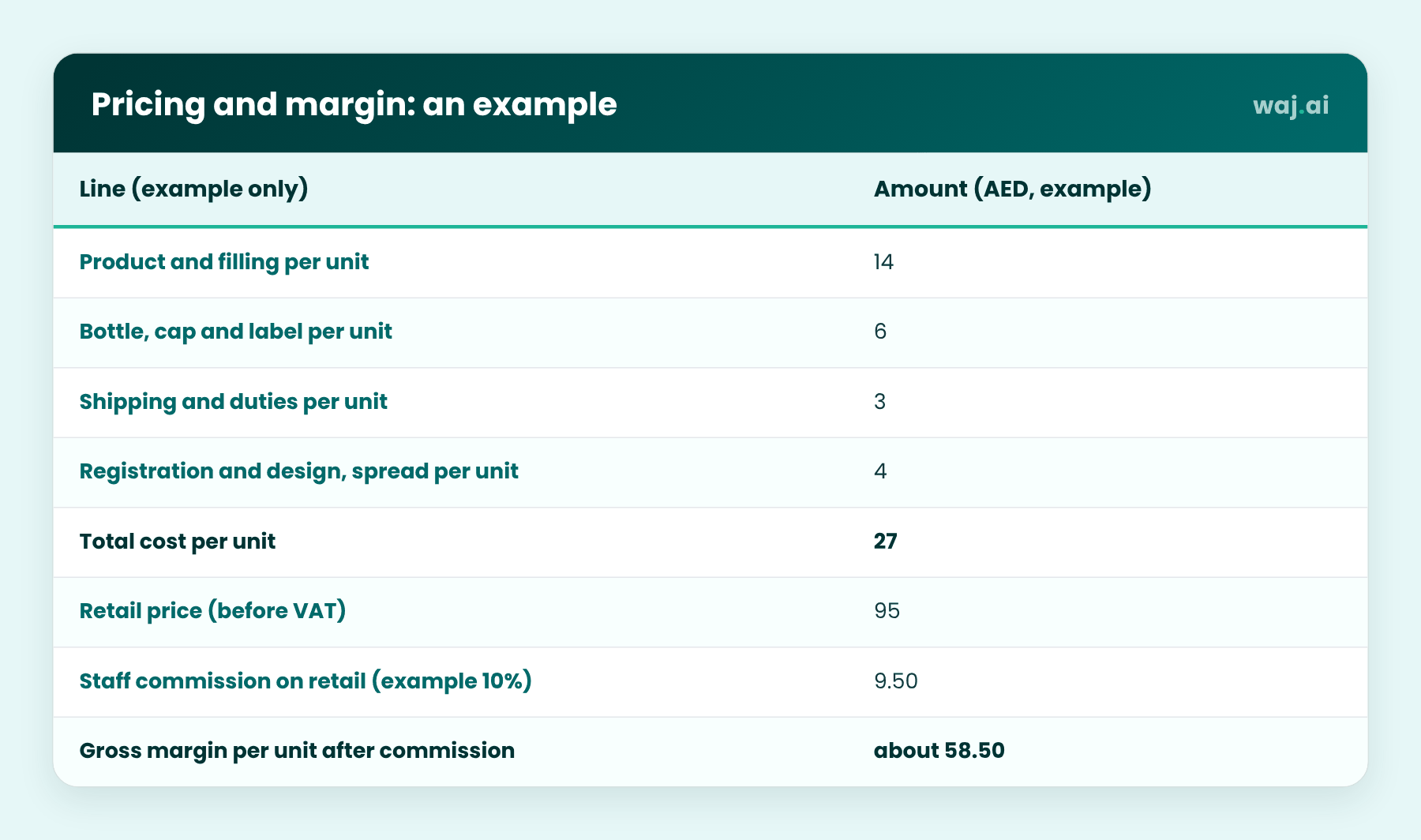
- Product and filling per unit
Amount (AED, example): 14 - Bottle, cap and label per unit
Amount (AED, example): 6 - Shipping and duties per unit
Amount (AED, example): 3 - Registration and design, spread per unit
Amount (AED, example): 4 - Total cost per unit
Amount (AED, example): 27 - Retail price (before VAT)
Amount (AED, example): 95 - Staff commission on retail (example 10%)
Amount (AED, example): 9.50 - Gross margin per unit after commission
Amount (AED, example): about 58.50
Two things this example shows. First, the cost you forget is usually the one that hurts: registration and design, spread across the units you actually sell. Second, staff commission matters. If your team doesn't recommend the product, it won't sell, so budget for commission from day one. And keep VAT out of your margin sums: it sits on top of the retail price and belongs to the tax authority.
Price against the brands on your shelf, and give yours a clear reason to be chosen: it is the one used in your signature treatment.
How to launch to your existing clients
Your first buyers are people who already sit in your chairs. Launch to them first.
- Use it in treatments. Clients buy what they felt on their own hair or skin.
- Brief the team. Each stylist and therapist should know who the product is for and say it in one sentence.
- Send a short WhatsApp message to clients who had the matching treatment in the last few months, with a launch offer at the desk.
- Bundle it. Add a full-size product to a package or membership. If you run memberships, our guide to the spa membership model in the Gulf covers how to structure perks like this.
- Track refills. Note who bought what and when, then remind them before they run out.
A salon management system helps here. In WAJ, retail products sit in inventory alongside your services, sales go through the same POS, staff commissions on retail are calculated automatically, and the client CRM records each purchase so you can build a WhatsApp audience of clients who bought the mask 8 weeks ago.
Summer is a good time to plan, since many Gulf salons are quieter. Our piece on the salon summer slow season in the Gulf has more ideas for those weeks.
When to stay with established brands
Stay with known brands, at least for now, if:
- Your current retail sales are small or irregular.
- You have no spare cash for stock that might take a year to sell.
- Your clients choose you mainly for price.
- You can't commit time to registration and supplier management.
- You sell technical products (colour, chemical treatments) where professional brands carry trust you can't easily copy.
Many salons do both. They keep professional brands for colour and technical care, and add one or two own-brand items where loyalty matters most, such as a body oil, a scalp serum or a candle used in the treatment room.
Want to see how retail, inventory and commissions work together in one system? Book a free WAJ demo: waj.ai/demo.
FAQ
How much does it cost to start a private label line for a salon?
It depends on MOQs, packaging, registration and how many products you launch. Get full quotes from several manufacturers before deciding.
Do I need to register cosmetic products in the UAE or Saudi Arabia?
Generally, yes: with the municipality and sometimes MOHAP in the UAE, and with the SFDA in Saudi Arabia. Check current requirements first.
Does my label need to be in Arabic?
Expect it, usually alongside English. Confirm the exact rules with your local authority.
How many products should I start with?
Two or three that match your most popular treatments. Prove they sell before you add more.
Is private label better than reselling professional brands?
Not always. Own brands can earn more per unit and build loyalty, but known brands sell faster with less effort. Many salons keep both.
Follow WAJ on Google
Add WAJ as a preferred source to see more of our articles in your Google Search results, marked with a "preferred" badge.