
Hair Colour Patch Test and Consultation in the Salon: Protect Your Clients and Your Business
WAJ Team
October 20, 2026
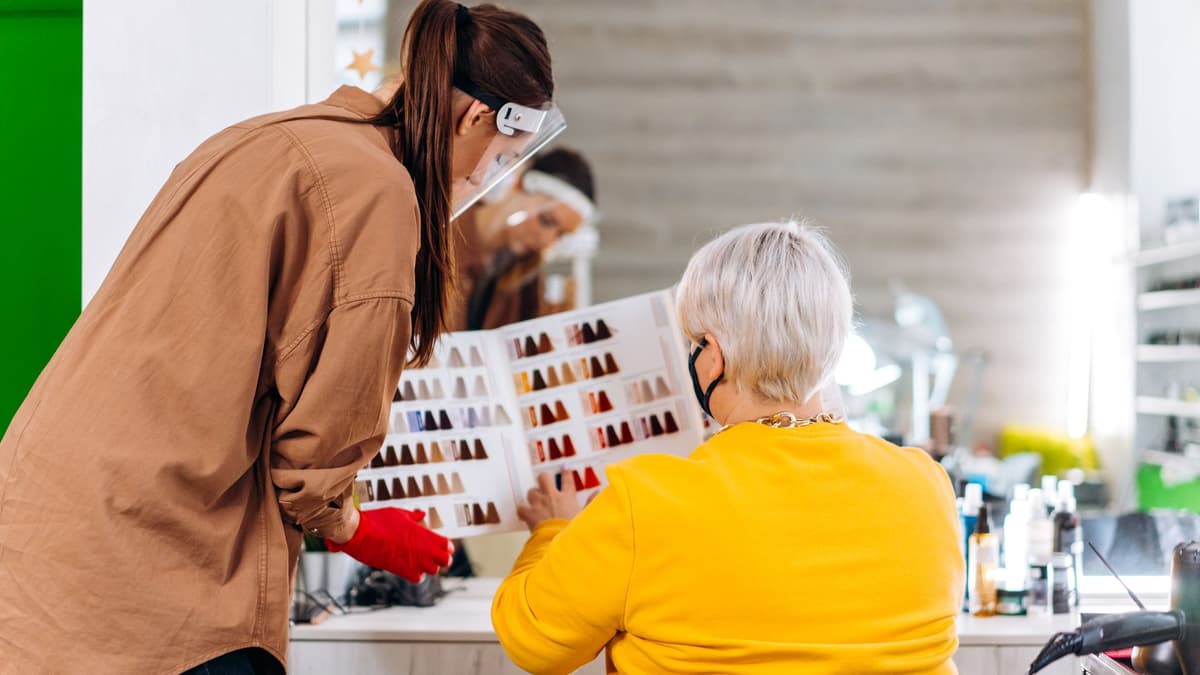
A hair colour patch test in the salon means applying a small amount of the colour product to the client's skin before the full service, waiting the time the manufacturer specifies (many brands advise 48 hours), and checking for any reaction before you go ahead. Pair it with a proper consultation, a signed consent and a record of the formula and result in the client file, and you protect the client's health and your salon's name at the same time.
Colour is one of the most profitable services on the menu, and the one most likely to go wrong in a way that leaves a mark. A bad cut grows out. A reaction to dye, or old henna reacting badly with lightener, does not.
This article is general guidance for salon operators, not medical advice. Always follow the instructions of the colour manufacturer and the rules of your local health authority.
Why does a hair colour consultation matter?
Because the colourist needs to know things the client will not mention unless asked. A walk-in in Riyadh who wants to go from black to caramel "today" may have three years of henna on her lengths, a box dye from last month, and a reaction to a dye years ago that she has half forgotten. Each of those changes what you do.
A good consultation covers four areas.
Allergies and past reactions. Has she ever reacted to hair colour, a scalp product, or a temporary tattoo? Any itching, redness or swelling after a previous colour, even a mild one? A past reaction is a reason to stop and not to colour until she has spoken to a doctor.
PPD. Para-phenylenediamine is an ingredient used in many permanent and oxidative hair dyes, and it is often linked to dye allergies. Your team should know which of your products contain it and which alternatives you carry, so a client with concerns gets a straight answer. Never promise a product is "allergy-free". No colour can be guaranteed safe for every client.
Previous colour and henna. Henna is very common across the Gulf, often used for years. Some henna products, especially compound or "coloured" hennas, can react unpredictably with oxidative colour and lightener. Ask what she has used, for how long, and when. If she is not sure, assume something is there and strand test.
Scalp and health. Cuts, irritation or sensitivity on the scalp mean colour waits for another day. You are not diagnosing anything. You are deciding whether it is sensible to proceed.
How do you do a patch test for hair colour?
Follow the colour manufacturer's instructions for the exact product you will use. Brands differ on where to apply the test, how to mix it and how long to wait. Many advise 48 hours. The general process looks like this:
- Book the test as its own short appointment at least the required time before the colour service. Your booking system should treat it as a service so it appears on the calendar and the client gets a reminder.
- Use the same product you plan to use for the service, prepared the way the manufacturer specifies.
- Apply a small amount to the area the manufacturer recommends, often behind the ear or on the inner elbow.
- Tell the client what to watch for and to contact the salon, and seek medical advice, if she notices itching, redness, swelling or discomfort.
- Check the result at the colour appointment before mixing anything. Ask her directly whether she noticed any reaction.
- Record it: test date, product and shade, result, and the name of the staff member who did it.
If anything shows up, do not colour. Note it in the client file so nobody else books her for colour by mistake.
Retest when you change brand or product line, when the client's health or medication changes, and at the interval the manufacturer recommends for returning clients.
What should the consent and client record include?
A colour record has two jobs: it lets the next colourist repeat or adjust the result, and it shows that the salon did its checks. Keep it in the client file, not on a card in a drawer.
- Consultation answers (allergies, past reactions, henna, previous colour, scalp condition)
- Patch test date, product and result
- Strand test result, if done
- The client's signed or digitally confirmed consent to proceed
- The formula: brand, shades, developer strength, ratios, processing time and where each was applied
- Before and after notes, and any aftercare given
In WAJ, client notes and history sit on the client's profile, so a colourist at your second branch sees the same formula and test date as the one who did it last time. Treat this information carefully. Allergy and health details are sensitive. Saudi Arabia's PDPL, fully enforceable since 14 September 2024 under SDAIA, classes health data as sensitive data and does not allow it to be used for marketing. Keep it out of campaign lists and check what applies in your country with the regulator or a lawyer.
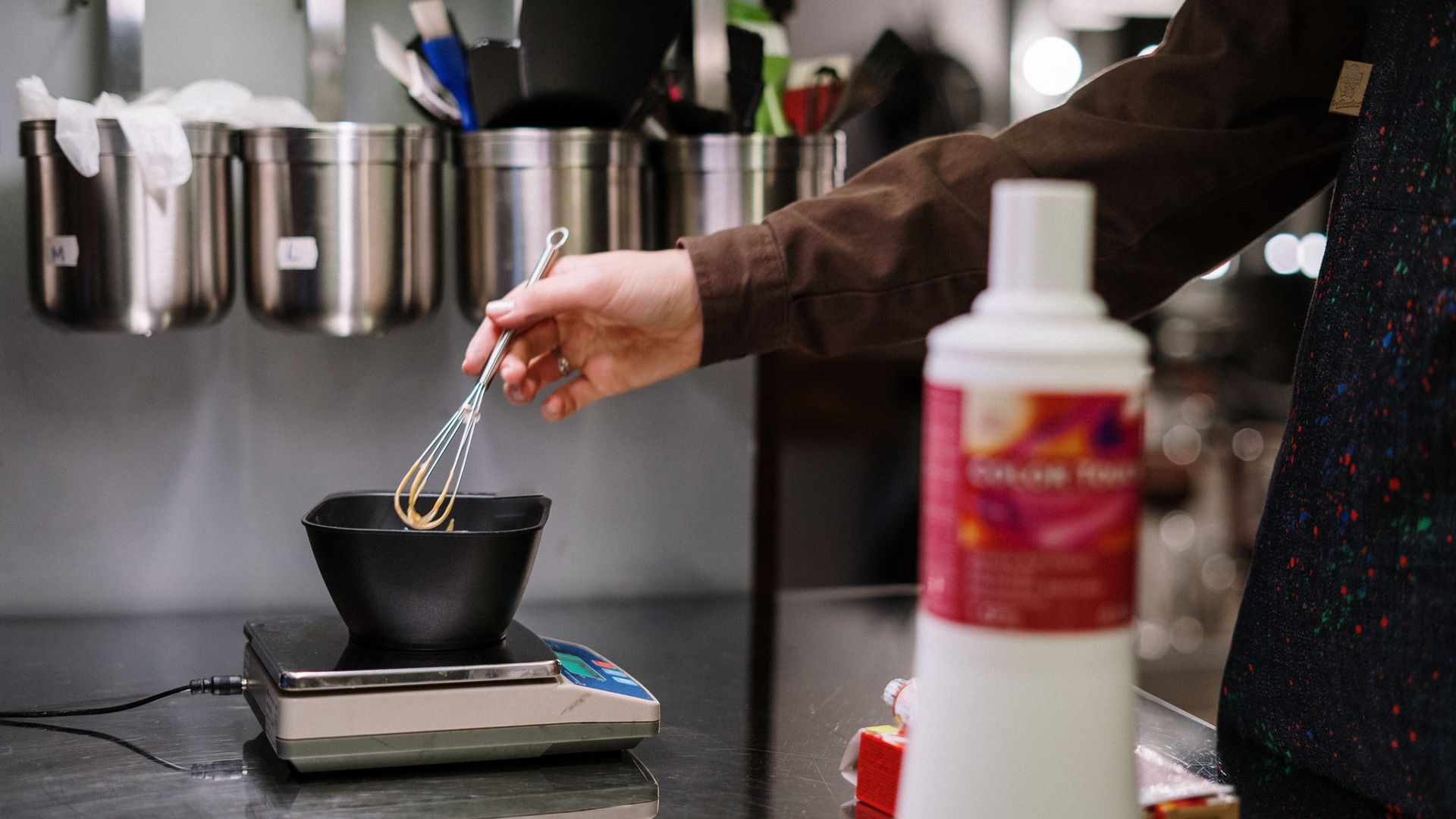
When should you do a strand test?
A patch test checks the skin. A strand test checks the hair. Do one whenever the result is uncertain:
- The client has henna, or is not sure what is on her hair
- She has box dye, or several layers of old colour
- You are lightening significantly
- Her hair is damaged, chemically straightened or fragile
Take a small hidden section, apply the planned formula, process it and look at the colour and the condition. If the result is not what you promised, it is far better to find out on two centimetres at the nape than across the whole head. Book the strand test at the patch test appointment, so both are done in one visit.
What should a salon do if a client has a reaction?
Have a written plan and make sure every colourist knows it.
- Stop the service immediately.
- Rinse the product off thoroughly with lukewarm water, following the manufacturer's guidance.
- Advise the client to seek medical care, and urgently if she has swelling of the face, eyes or lips, or difficulty breathing. Do not try to treat the reaction yourself or suggest remedies.
- Record what happened: time, product, batch, what was done and what advice was given.
- Follow up with the client the next day.
- Flag her file so no one books her for colour again without clearance.
Afterwards, check whether the patch test was done and recorded and the product was in date. That tells you whether the system failed.
Training your team on colour safety
Policies only work if the team follows them on a busy Thursday evening. Every colourist and junior should practise the consultation questions out loud and know which products contain PPD. Reception should book a patch test automatically for every new colour client and explain it politely: "It's for your safety, and it takes ten minutes" works better than an apology. And rehearse the reaction plan like a fire drill.
Product rules matter too. In Kuwait, the Ministry of Health's salon and beauty Health Requirements Guide (August 2025, Ministerial Resolution No. 194/2025) requires ministry-approved products with expiry dates, opened items labelled with their first-use date, and no hair dye in children's salons. Wherever you operate, confirm the local requirements with your health authority or municipality.
Hair colour consultation checklist
Print this, or better, build it into your client file so it cannot be skipped.
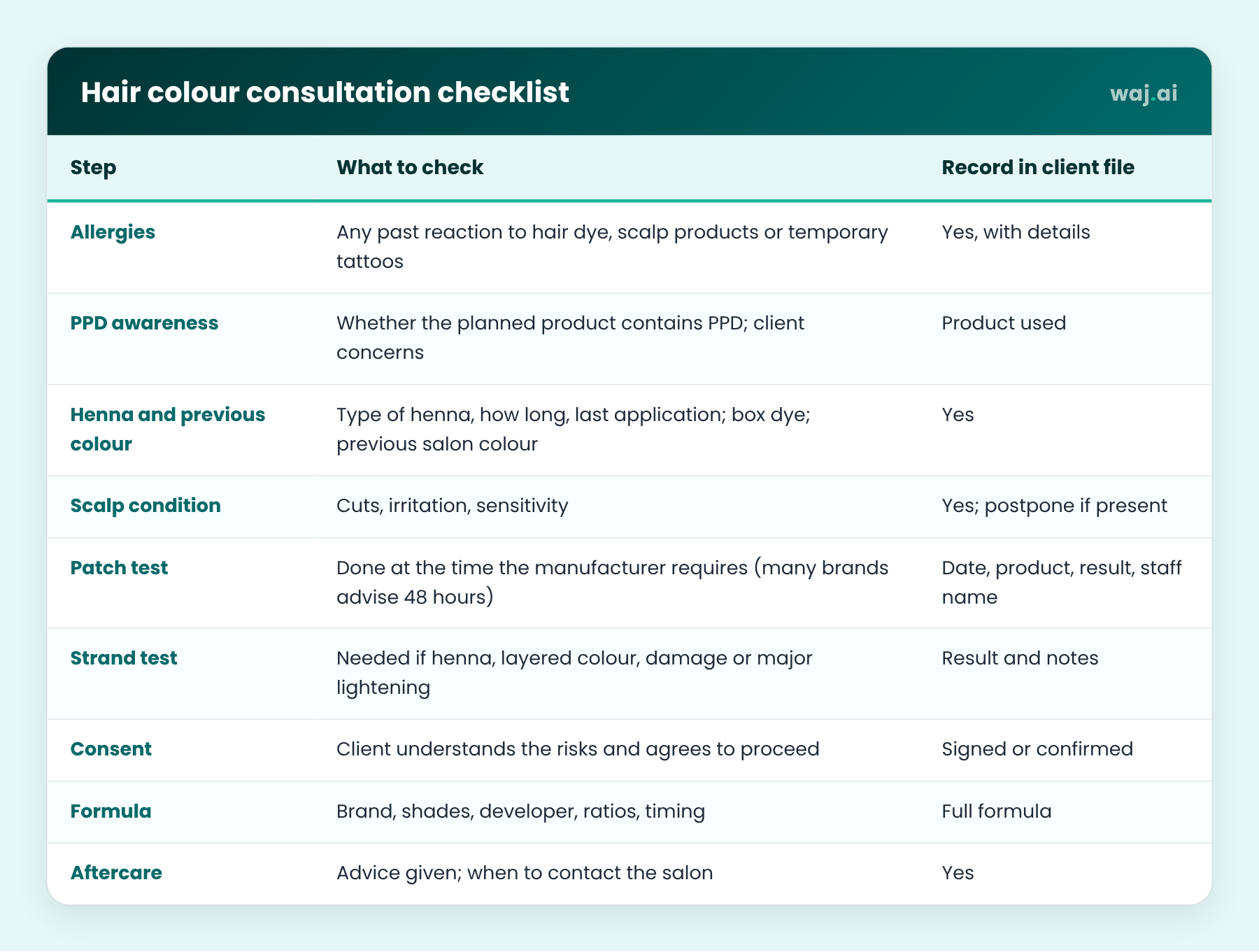
- Allergies
What to check: Any past reaction to hair dye, scalp products or temporary tattoos
Record in client file: Yes, with details - PPD awareness
What to check: Whether the planned product contains PPD; client concerns
Record in client file: Product used - Henna and previous colour
What to check: Type of henna, how long, last application; box dye; previous salon colour
Record in client file: Yes - Scalp condition
What to check: Cuts, irritation, sensitivity
Record in client file: Yes; postpone if present - Patch test
What to check: Done at the time the manufacturer requires (many brands advise 48 hours)
Record in client file: Date, product, result, staff name - Strand test
What to check: Needed if henna, layered colour, damage or major lightening
Record in client file: Result and notes - Consent
What to check: Client understands the risks and agrees to proceed
Record in client file: Signed or confirmed - Formula
What to check: Brand, shades, developer, ratios, timing
Record in client file: Full formula - Aftercare
What to check: Advice given; when to contact the salon
Record in client file: Yes
Making it easy to do the right thing
The hardest part is the extra visit. Clients forget, and some arrive expecting colour on the day. Send a WhatsApp reminder for the patch test and another before the colour appointment, explain the reason in the booking confirmation, and let clients book the test online. Our guide to salon software with WhatsApp in MENA covers how those messages work, and if you run a women-only salon, see our guide to ladies' salon management in the Gulf.
WAJ brings online booking, WhatsApp reminders and a client CRM with notes and history into one system, with no booking commission. If you want to see how a colour consultation and patch test flow would look for your salon, book a free WAJ demo: waj.ai/demo.
FAQ
How long before a hair colour appointment should a patch test be done?
Follow the colour manufacturer's instructions for the product. Many brands advise 48 hours before the service.
Do returning clients need a new patch test?
Retest when you change brand or product, when the client reports a change in health or medication, and at the interval the manufacturer recommends.
Can you colour over henna?
Sometimes, but results are unpredictable, especially with compound henna. Always ask about henna in the consultation and do a strand test before colouring or lightening.
What is PPD in hair dye?
PPD (para-phenylenediamine) is an ingredient found in many permanent and oxidative hair dyes and is often linked to dye allergies. Know which of your products contain it and patch test every new colour client.
What should a stylist do if a client reacts to hair dye?
Stop the service, rinse the product off following the manufacturer's guidance, advise the client to seek medical care, record what happened and flag the client file.
Follow WAJ on Google
Add WAJ as a preferred source to see more of our articles in your Google Search results, marked with a "preferred" badge.