
Ramadan Salon Marketing Strategies That Work
WAJ Team
February 15, 2026
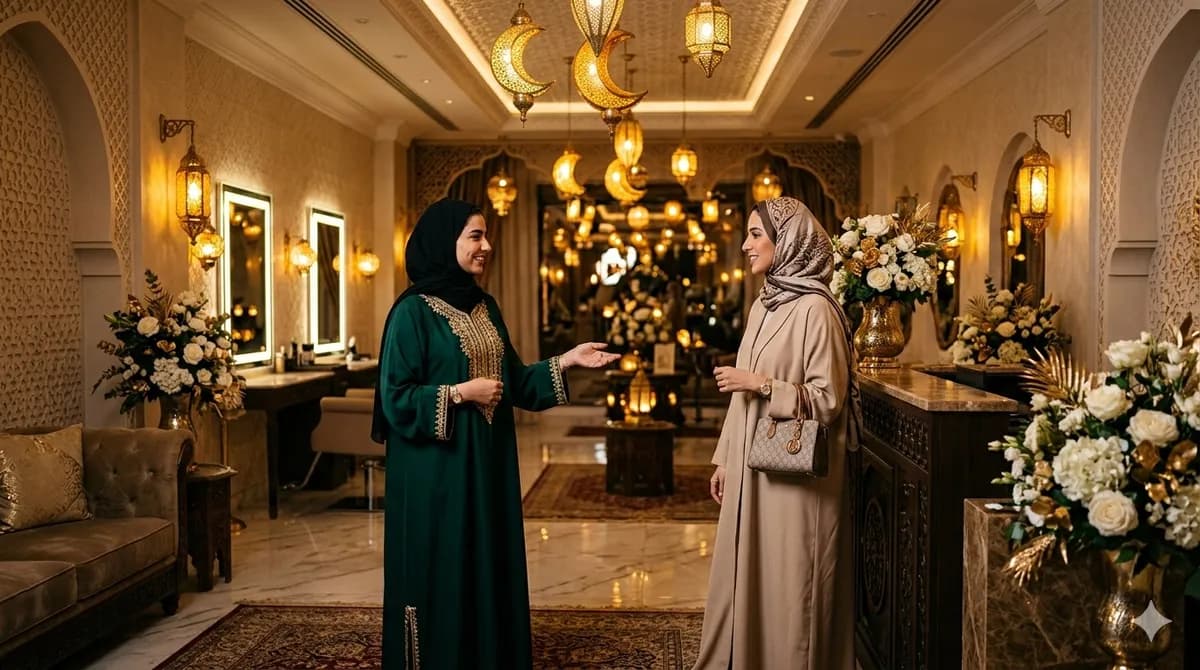
Ramadan is not a slow month for salons in the Gulf. It is a different month.
The rhythm of daily life shifts fundamentally. Fasting changes energy levels and daily routines. Working hours are shortened by law in most GCC countries. Social gatherings move to the evening hours. And the weeks leading up to Eid al-Fitr create a surge in salon demand that rivals any other peak period in the year.
For salon owners who understand and prepare for these shifts, Ramadan is an opportunity. For those who simply try to operate as usual, it is a month of confusion, understaffing, and missed revenue.
How Ramadan Changes Salon Demand
The Daily Rhythm Reverses
During Ramadan, most people fast from sunrise to sunset. Energy levels are lower during the day, and the social calendar shifts to evening hours. This directly affects salon booking patterns:
Morning appointments drop significantly. Clients who normally book 9 AM or 10 AM slots are less likely to do so while fasting. They conserve energy and minimize outings during daylight hours.
Late afternoon appointments surge. The hours before iftar (the evening meal that breaks the fast) become prime time. Clients want to look fresh for iftar gatherings and evening events. The 3 PM to 6 PM window becomes your most in-demand period.
Post-iftar evening appointments emerge. After eating and praying, many clients are willing to visit salons in the evening hours. Extending your operating hours to 10 PM or even 11 PM during Ramadan captures this demand.
Social Events Drive Specific Services
Ramadan is a month of socializing. Families gather for iftar every evening. Suhoor gatherings (pre-dawn meals) have become increasingly popular social events, especially among younger demographics. Corporate iftars, charity events, and community celebrations create occasions that drive salon visits.
The services in demand during Ramadan tend to be occasion-oriented: makeup, hair styling, manicures, and quick refresh services rather than longer treatments like deep conditioning or extensive color work.
The Eid Rush Is Predictable and Enormous
The last week before Eid al-Fitr is one of the busiest periods for salons in the Gulf. Clients want to look their absolute best for Eid celebrations. Every service category sees elevated demand: hair, nails, skin treatments, waxing, threading, and makeup.
If you do not prepare for the Eid rush, you will turn away clients, disappoint regulars, and leave significant revenue uncaptured.
Adjusting Your Operations for Ramadan
Schedule Modifications
Shift your operating hours. Open later (10 AM or 11 AM instead of 9 AM) and close later (10 PM or 11 PM instead of 8 PM). Align your hours with your clients' Ramadan routine. Update your hours on Google Business Profile, your website, social media, and your booking system at least one week before Ramadan begins.
Adjust staff shifts. Implement split shifts where possible: a light morning crew and a full team for the busy afternoon and evening hours. This respects your fasting staff's energy levels while ensuring peak-hour coverage.
Extend hours in the final week. The last seven days before Eid require maximum capacity. Consider extending hours further, adding staff, and opening additional booking slots. Some salons in Dubai operate until midnight during the final days before Eid.
Staff Considerations
Many of your team members will be fasting. Be sensitive to their needs:
Reduce physical demands during fasting hours. Where possible, schedule lighter services (consultations, nail services, simple blowouts) during morning hours and save physically demanding services (long color sessions, intricate bridal work) for post-iftar shifts when staff have broken their fast.
Provide a break room with iftar provisions. A simple gesture — dates, water, and a light iftar meal for your team — shows respect for the occasion and builds loyalty.
Be flexible with prayer times. Ramadan prayers, especially Taraweeh (evening prayers), are important to Muslim team members. Build prayer breaks into the schedule rather than treating them as disruptions.
Expect some staff absences. Some team members may travel home for part of Ramadan or take time off for religious observances. Plan for this in advance and cross-train team members to cover gaps.
Service Menu Adaptations
Consider creating Ramadan-specific service packages:
"Iftar Ready" express package. A 30-minute refresh including blowout, light makeup touch-up, and a quick manicure. Priced as a bundle at a slight discount to individual services. Perfect for clients rushing to evening gatherings.
"Eid Glow" preparation package. Bundled over two visits: the first visit for treatments (facial, deep conditioning, waxing) and the second for finishing (styling, makeup, nails). Encourage clients to book both visits at once to secure their preferred times.
"Suhoor Glam" late-night package. For clients attending late-night suhoor events, offer express styling available during your extended evening hours.
Marketing During Ramadan
Timing and Tone
Ramadan marketing requires cultural sensitivity. Your messaging should acknowledge the spiritual significance of the month while positioning your services as part of the celebration.
Start marketing two weeks before Ramadan. Announce your adjusted hours, Ramadan packages, and Eid booking availability. Clients who plan ahead will appreciate the early notice.
Use appropriate imagery and language. Crescent moons, lanterns, and traditional Islamic geometric patterns are tasteful and widely appreciated. Avoid imagery that focuses on food during fasting hours or that trivializes the religious aspects of the month.
Emphasize togetherness and celebration. Frame your services around the social aspects of Ramadan: looking your best for family gatherings, preparing for Eid celebrations, treating yourself during the evening hours.
Adjust your posting schedule. Social media engagement peaks during two windows in Ramadan: just before iftar (when people are waiting to eat and scrolling their phones) and late evening (post-Taraweeh prayers). Schedule your most important content for these times.
Eid Booking Campaigns
The most critical marketing moment in Ramadan is the push for Eid bookings. Start promoting Eid availability at least two weeks before Eid. Emphasize urgency — popular times will book up quickly.
Send targeted WhatsApp messages to your regular clients offering early access to Eid booking slots before they are opened to the general public. This rewards loyalty and ensures your best clients get their preferred times.
Instagram countdown content. Create a series of posts counting down to Eid, each featuring a different service or package. Use Stories with "Book Now" swipe-up links.
Early bird incentives. Offer a small perk (a complimentary add-on service, a product sample) for clients who book their Eid appointments early. This spreads demand and reduces the last-minute rush.
Charitable Element
Ramadan is a month of giving. Incorporating a charitable element into your marketing resonates deeply with Gulf audiences:
Donate a percentage of Ramadan revenue to a local charity and communicate this to your clients.
Offer complimentary services to underprivileged community members — a few appointments per week dedicated to those who cannot normally afford salon services.
Partner with a charitable organization for a visible, meaningful initiative. This builds goodwill, generates positive social media content, and aligns your brand with the values of the season.
Post-Eid Opportunity
The demand spike does not end with Eid. The week after Eid is an excellent time for:
Recovery treatments. After the intense preparation for Eid, many clients want restorative services: deep conditioning treatments, skin recovery facials, and relaxation services.
New client follow-up. If you attracted new clients during the Eid rush, follow up within 48 hours with a thank-you message and an offer to rebook. The Eid period is one of the best times to convert first-time visitors into regulars.
Team appreciation. Your staff worked exceptionally hard during the Eid rush. Acknowledge this with bonuses, a team meal, or an extra day off. This investment in your team's wellbeing pays dividends in loyalty and performance.
Planning Checklist: 30 Days Before Ramadan
Use this checklist to ensure your salon is fully prepared:
- Adjusted operating hours finalized and communicated to team - Ramadan hours updated on Google Business Profile, website, and social media - Staff shift schedule for Ramadan published - Ramadan service packages designed and priced - Booking system updated with new hours and packages - Marketing content calendar for Ramadan created - Pre-Ramadan marketing messages sent to client database - Eid booking availability opened and promoted - Iftar provisions arranged for fasting team members - Extended hours staffing plan for the last week before Eid confirmed - Inventory levels checked and restocked for anticipated demand - Charitable initiative planned and communicated
Ramadan is predictable. The shifts in demand, the cultural expectations, and the Eid surge happen every year. The salons that prepare thoroughly and market thoughtfully will capture the full revenue potential of this important season while strengthening their relationships with clients and staff alike.
Sources and References
1. Mordor Intelligence. "Salon & Spa Software Market." mordorintelligence.com — Seasonal demand patterns and MENA beauty market data.
2. Mindbody. "Wellness Insights." mindbodyonline.com — Seasonal marketing strategies and consumer behavior during peak periods.
3. GlossGenius Blog. "Salon Booking Software: 9 Apps for Booking and Payments." glossgenius.com — Seasonal scheduling and marketing automation features.
4. The Salon Business. "9 Best Salon Software in 2026." thesalonbusiness.com — Promotional package design and seasonal marketing strategies.
5. Vagaro. "The Best Salon Software of 2026." vagaro.com — Schedule management and seasonal demand optimization features.
6. WAJ Blog. "WAJ vs CloudMeSoft 2025." waj.ai — MENA-specific seasonal features and culturally relevant marketing capabilities.
7. Meevo Inspo Blog. "How to Choose the Right Salon Management Software." meevo.com — Campaign management and promotional package features.
8. Koalendar. "8 Best Salon Booking Software for Beauty Professionals." koalendar.com — Booking window management and seasonal scheduling optimization.
Follow WAJ on Google
Add WAJ as a preferred source to see more of our articles in your Google Search results, marked with a "preferred" badge.